Such a discovery comes once in a lifetime. If you’re lucky
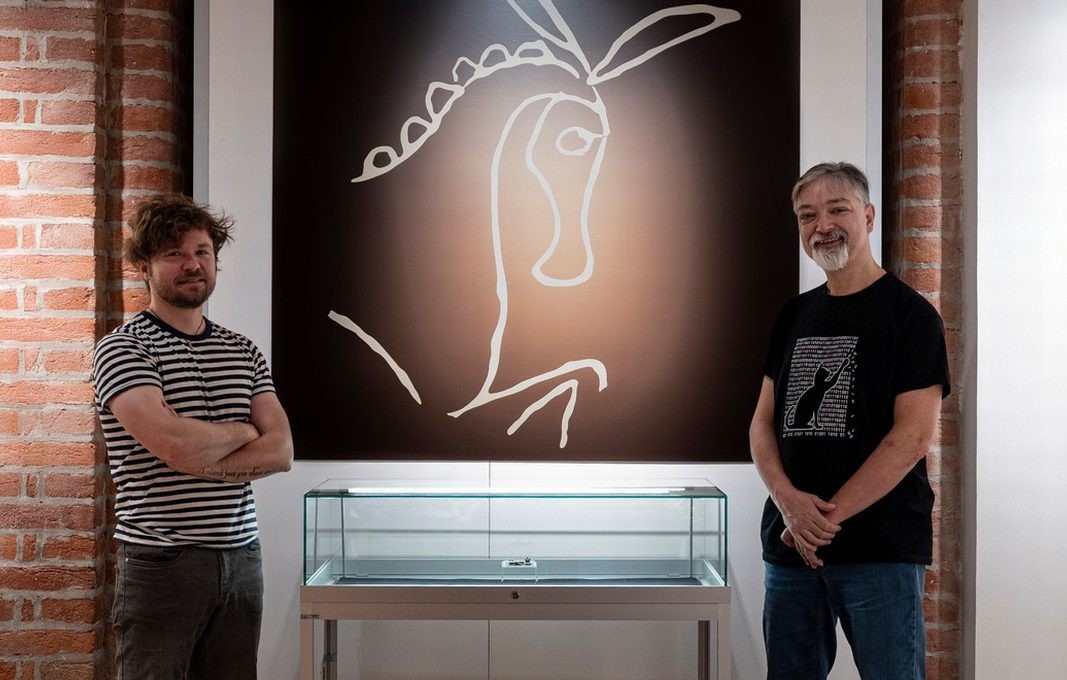
Author: Lenka Vrtíšková Nejezchlebová
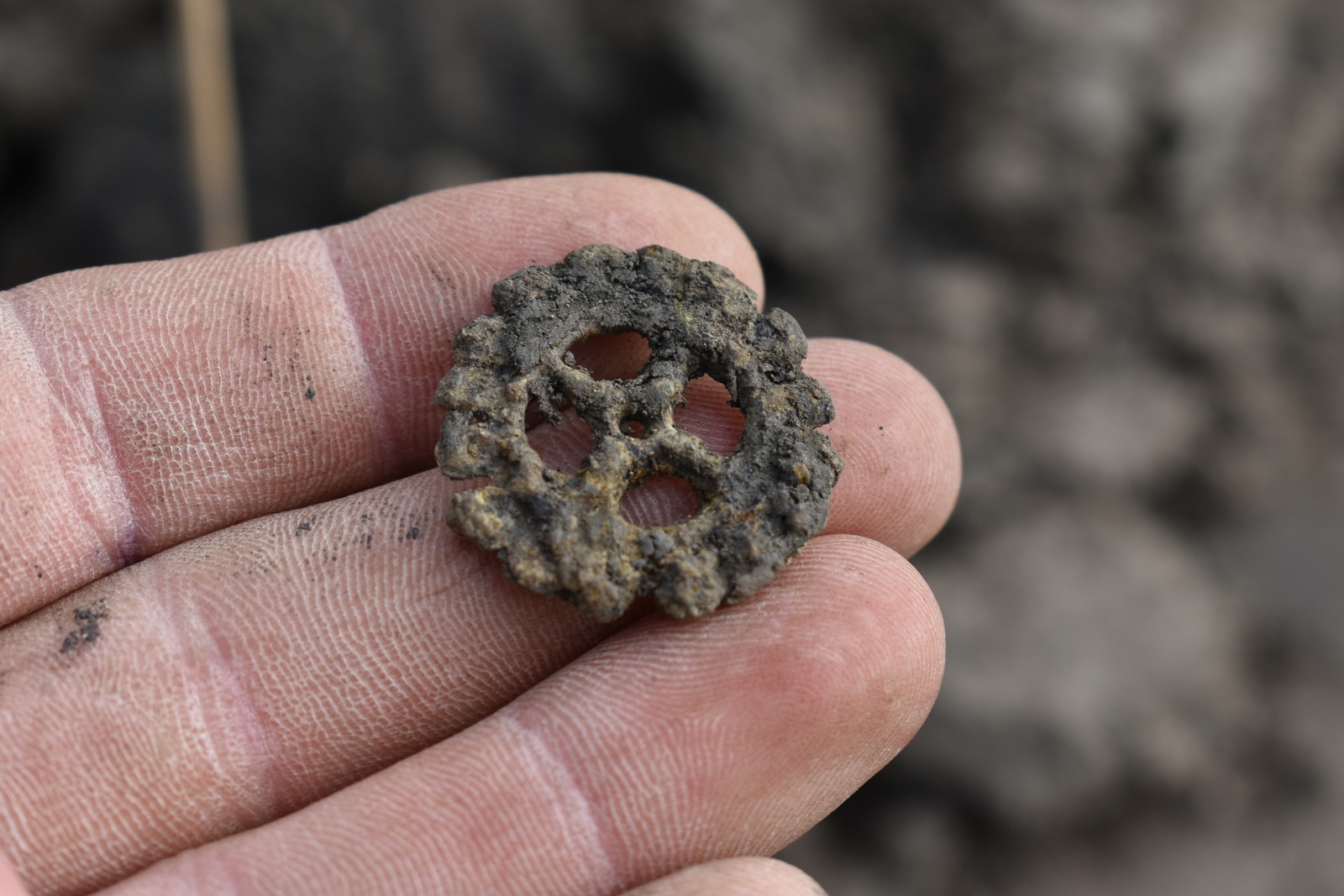
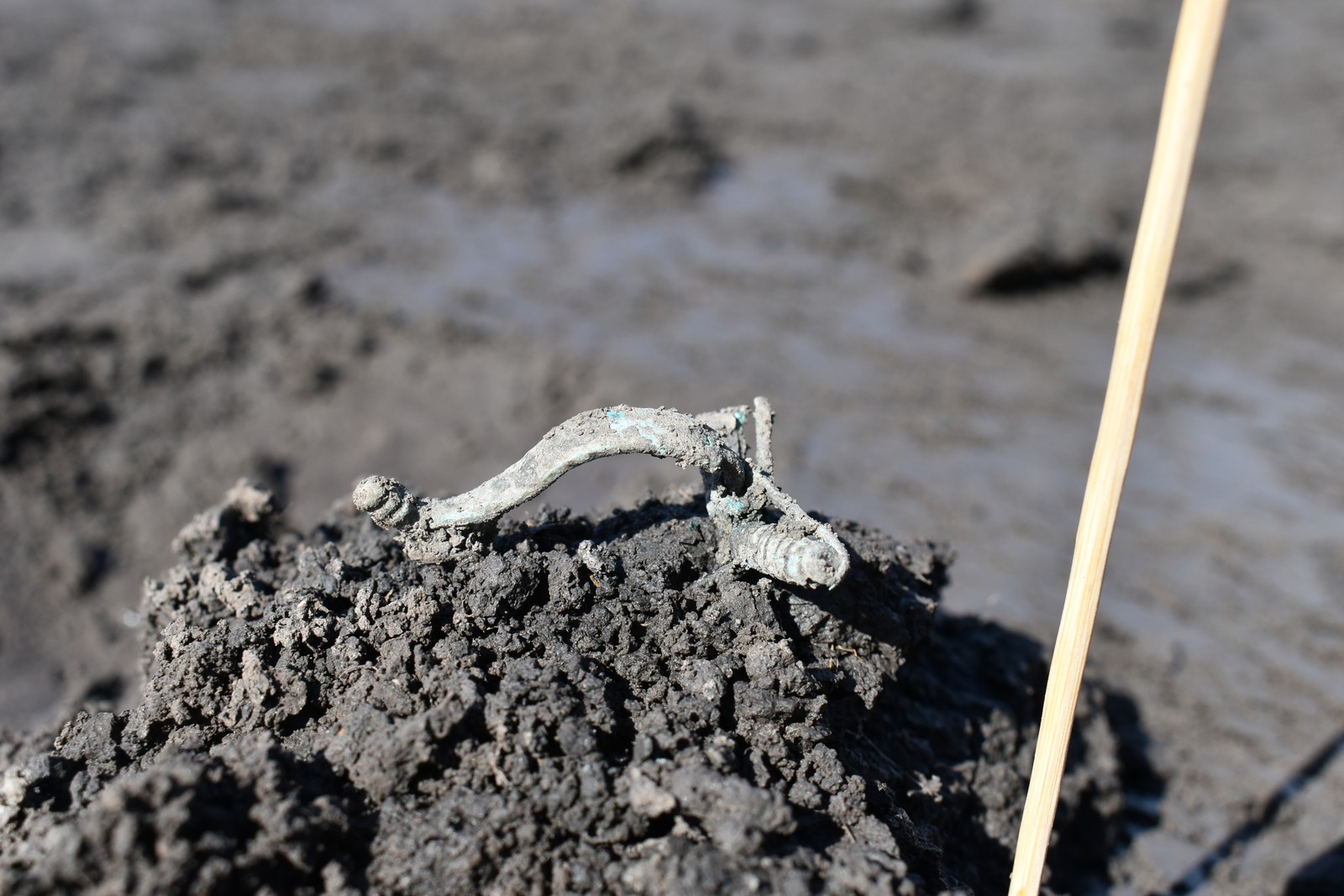
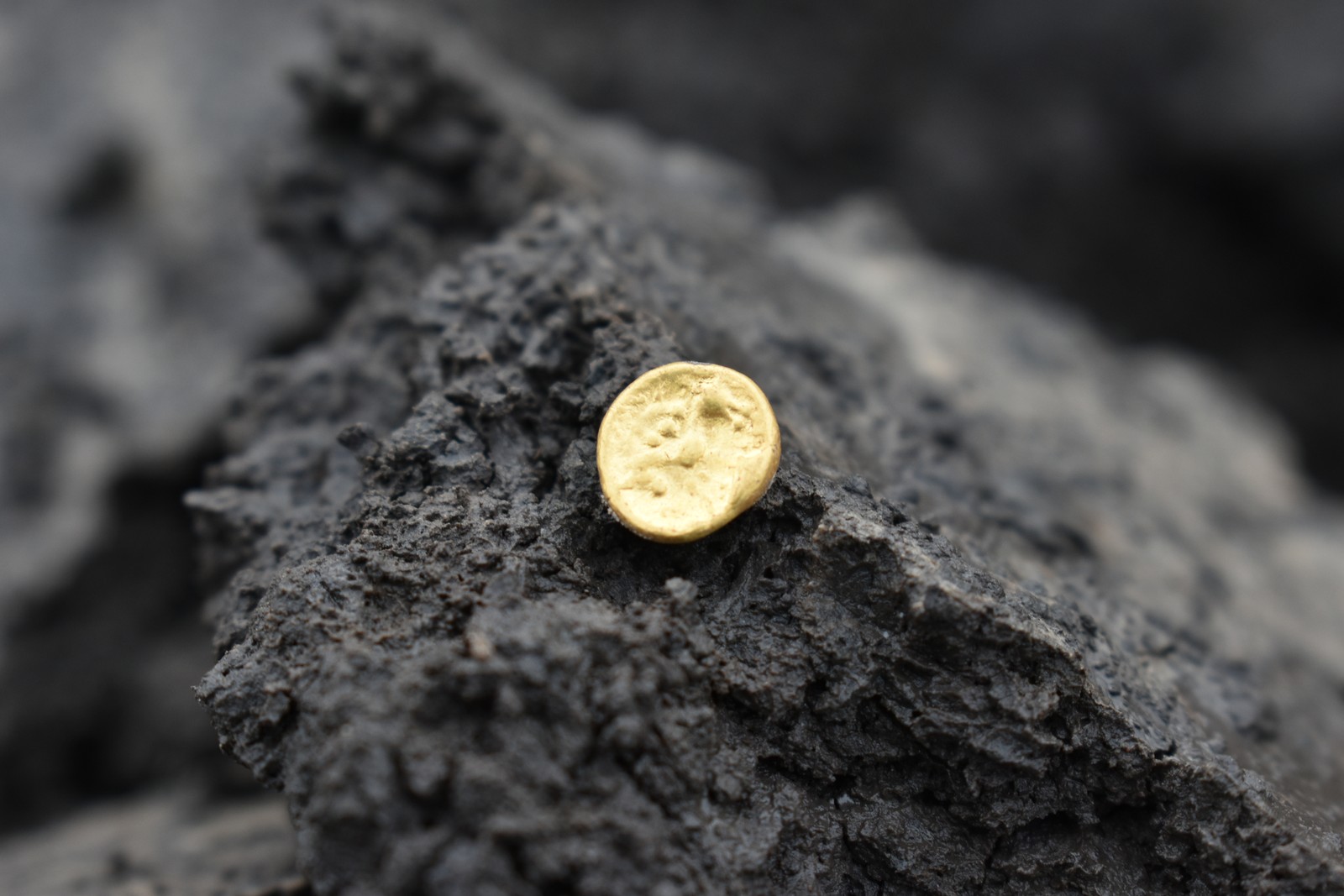
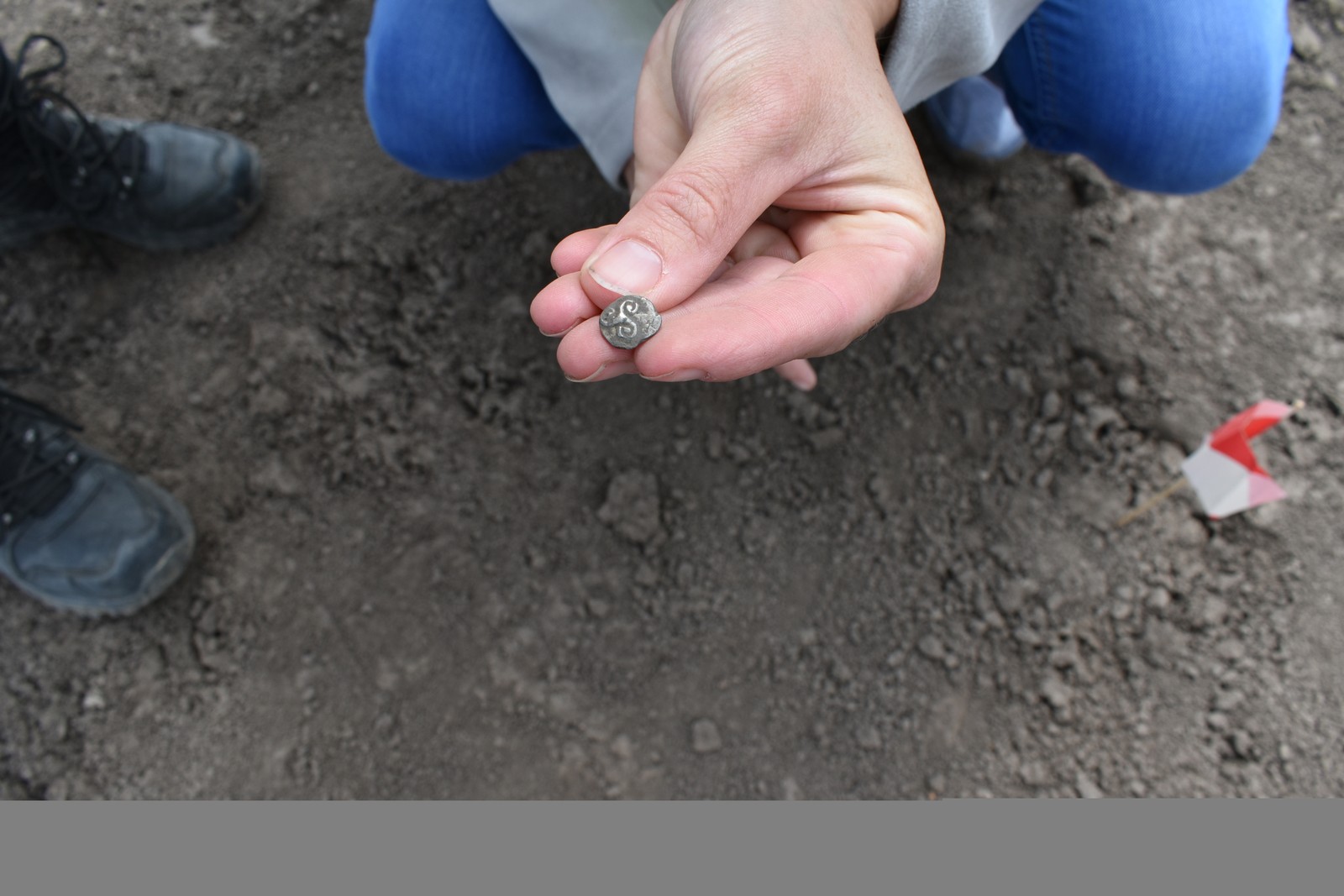
Hundreds of silver and gold coins. Jewelry and decorative objects. Thousands of pieces of amber. Well-preserved pottery kilns… Archaeologists from the University of Hradec Králové discovered, beneath the ground at the site of future motorway construction, a huge La Tène settlement. In its significance, it recalls a prehistoric counterpart of today’s regional capital; at the same time, it was a crossroads of important trade routes.
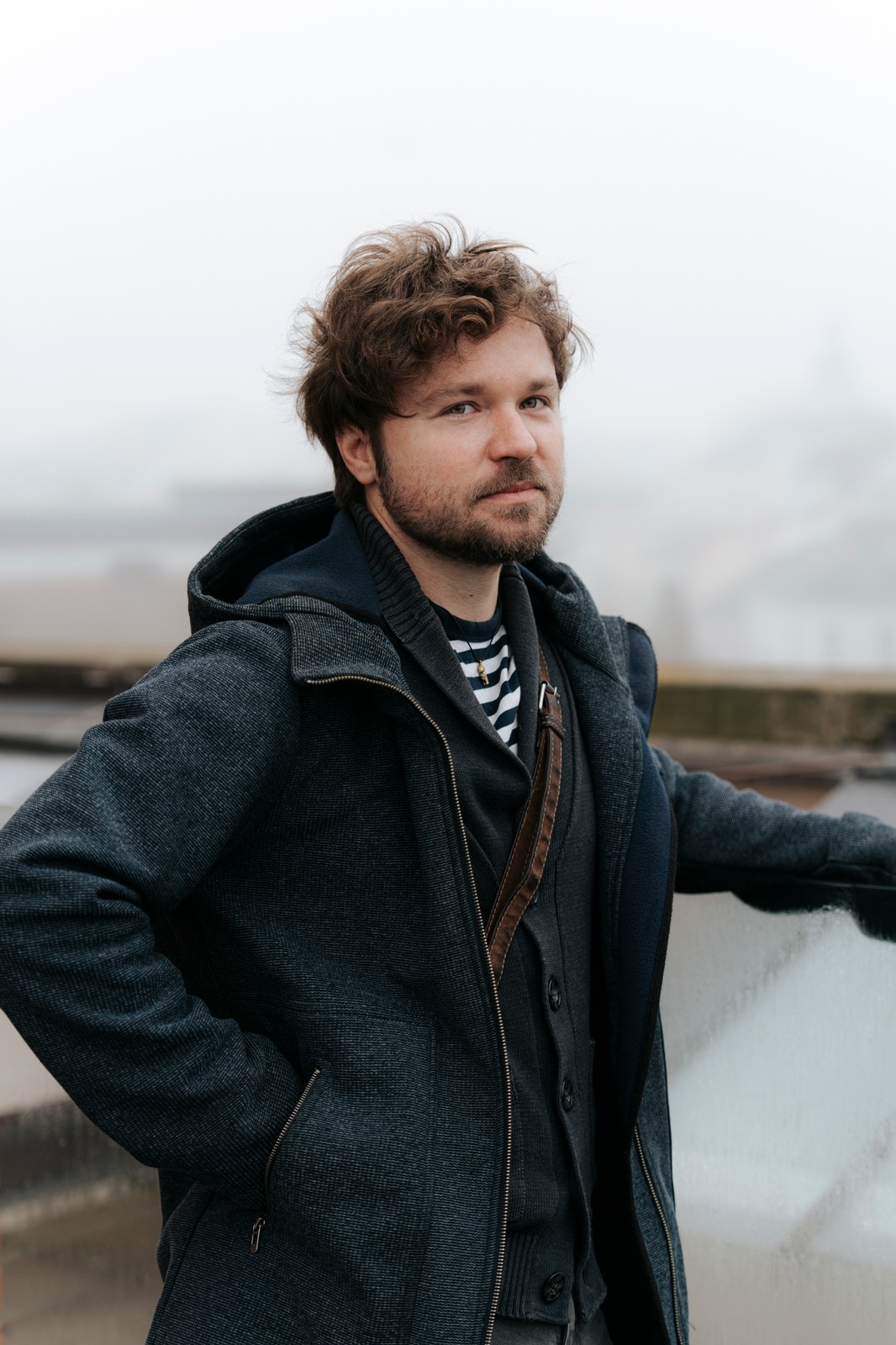
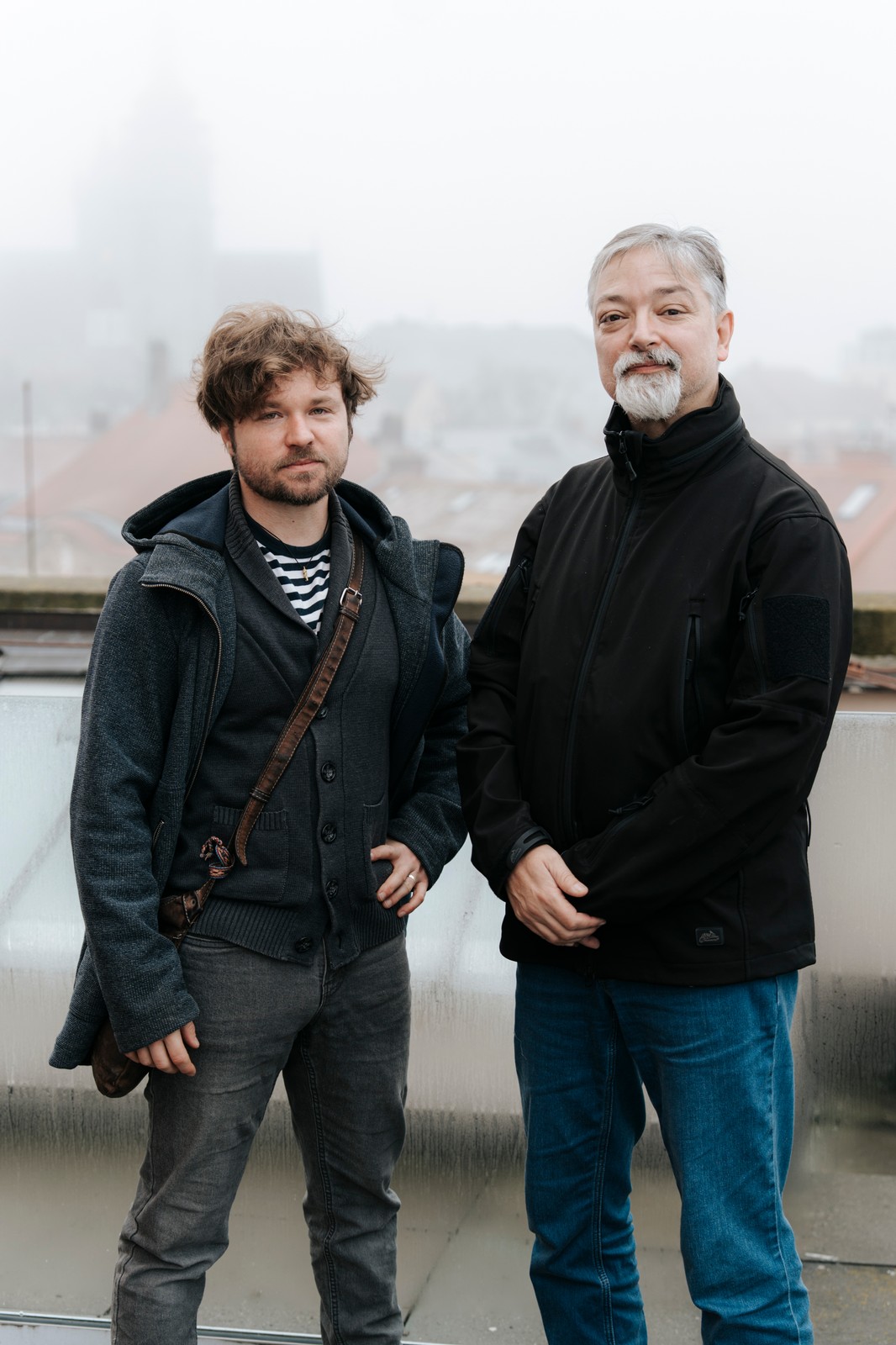
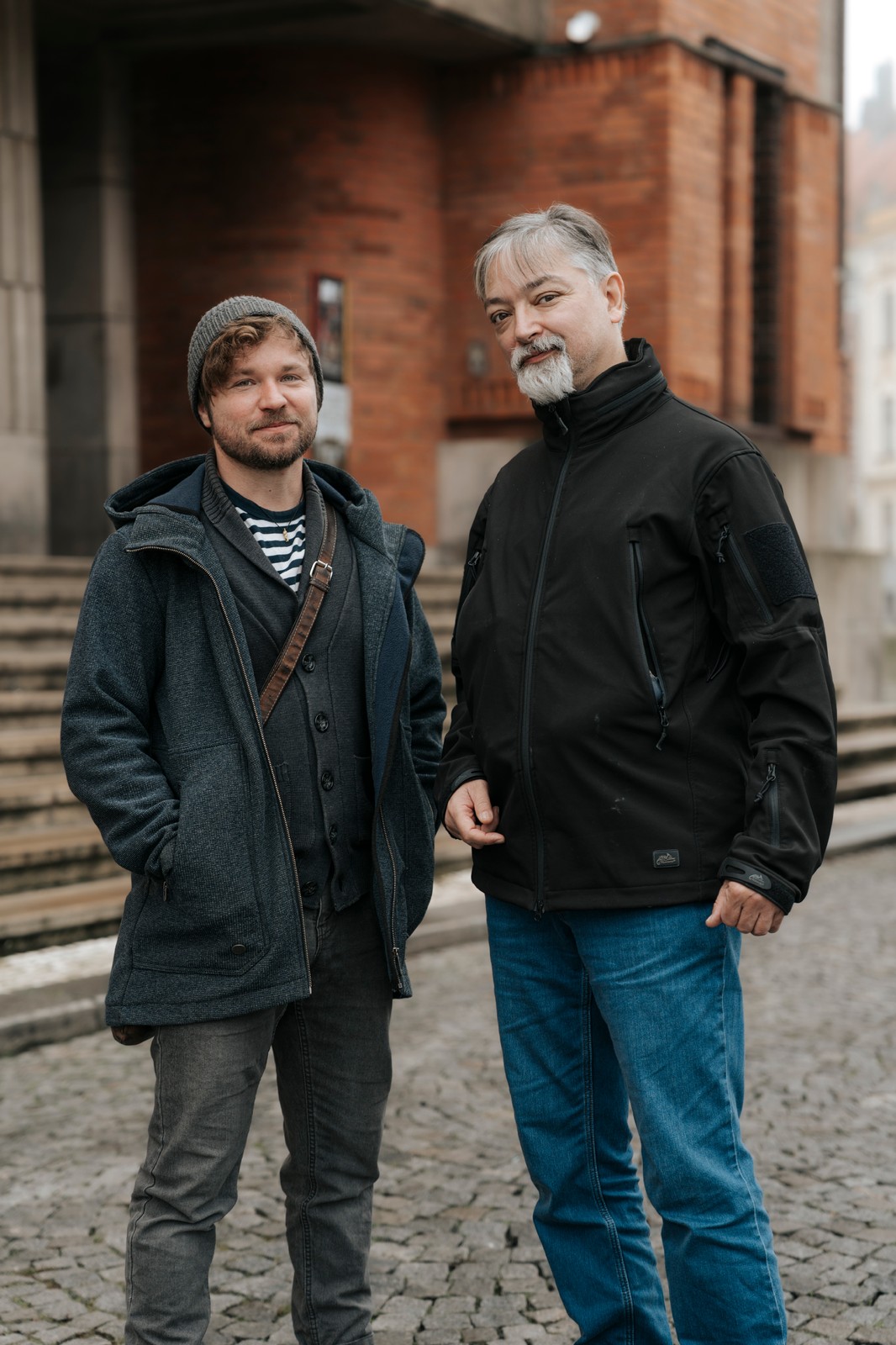
“The finds undeniably prove long-distance contacts. We can say with certainty that one branch of the so-called Amber Road ran through here,” says Tomáš Mangel from the Department of Archaeology at the Philosophical Faculty of the University of Hradec Králové (Filozofická fakulta UHK, FF UHK), the head of the team evaluating the recovered finds. He speaks of a discovery of European significance.
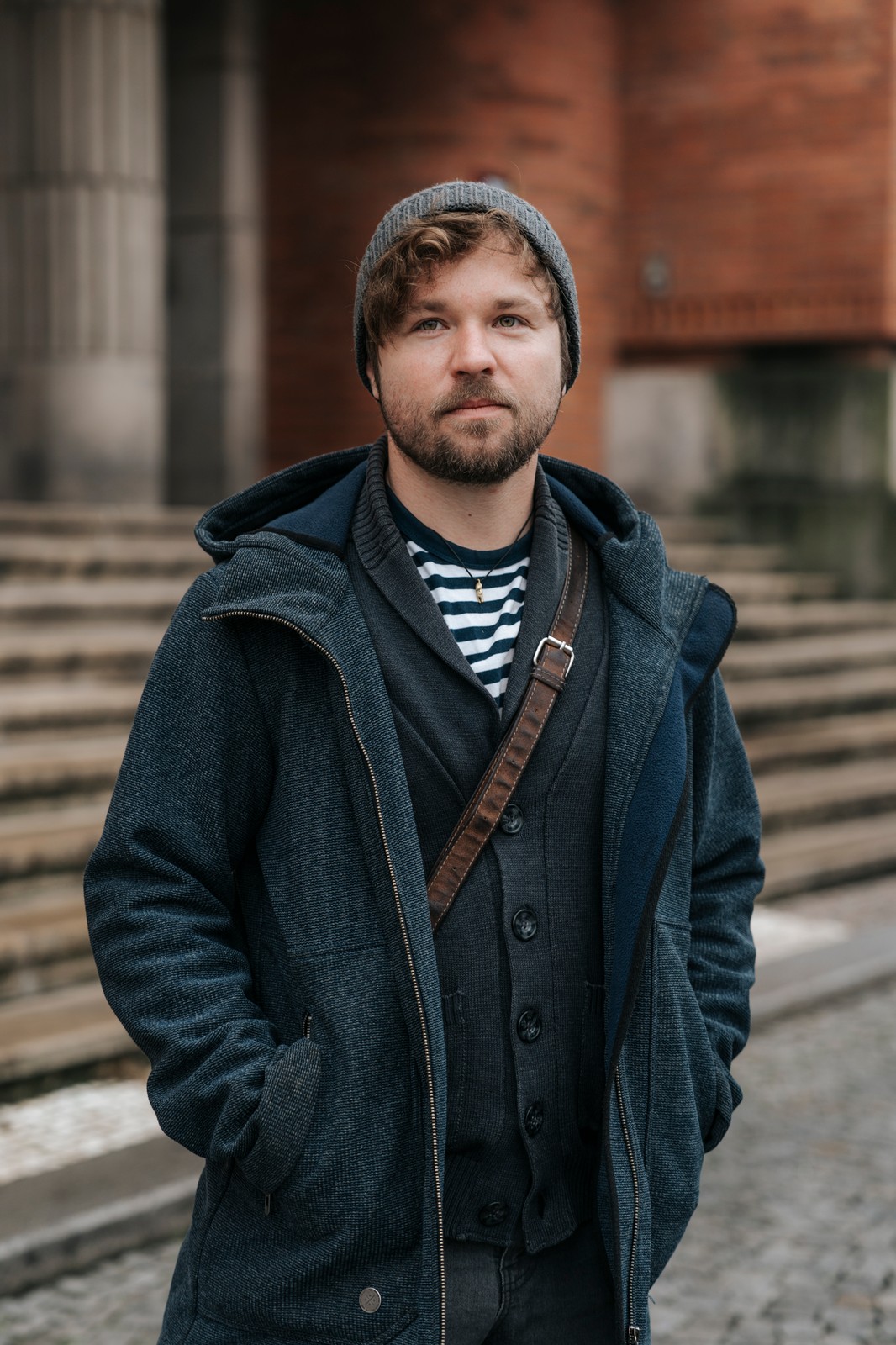
“We may never again in our lives get the chance to work on research this unique,” adds Matouš Holas, the head of the excavation from the East Bohemian Museum, who is also a graduate of archaeology at the FF UHK.
Help from treasure hunters
The University of Hradec Králové is cooperating on detector work, excavations, field research, and future analyses with the East Bohemian Museum and the company Archaia.

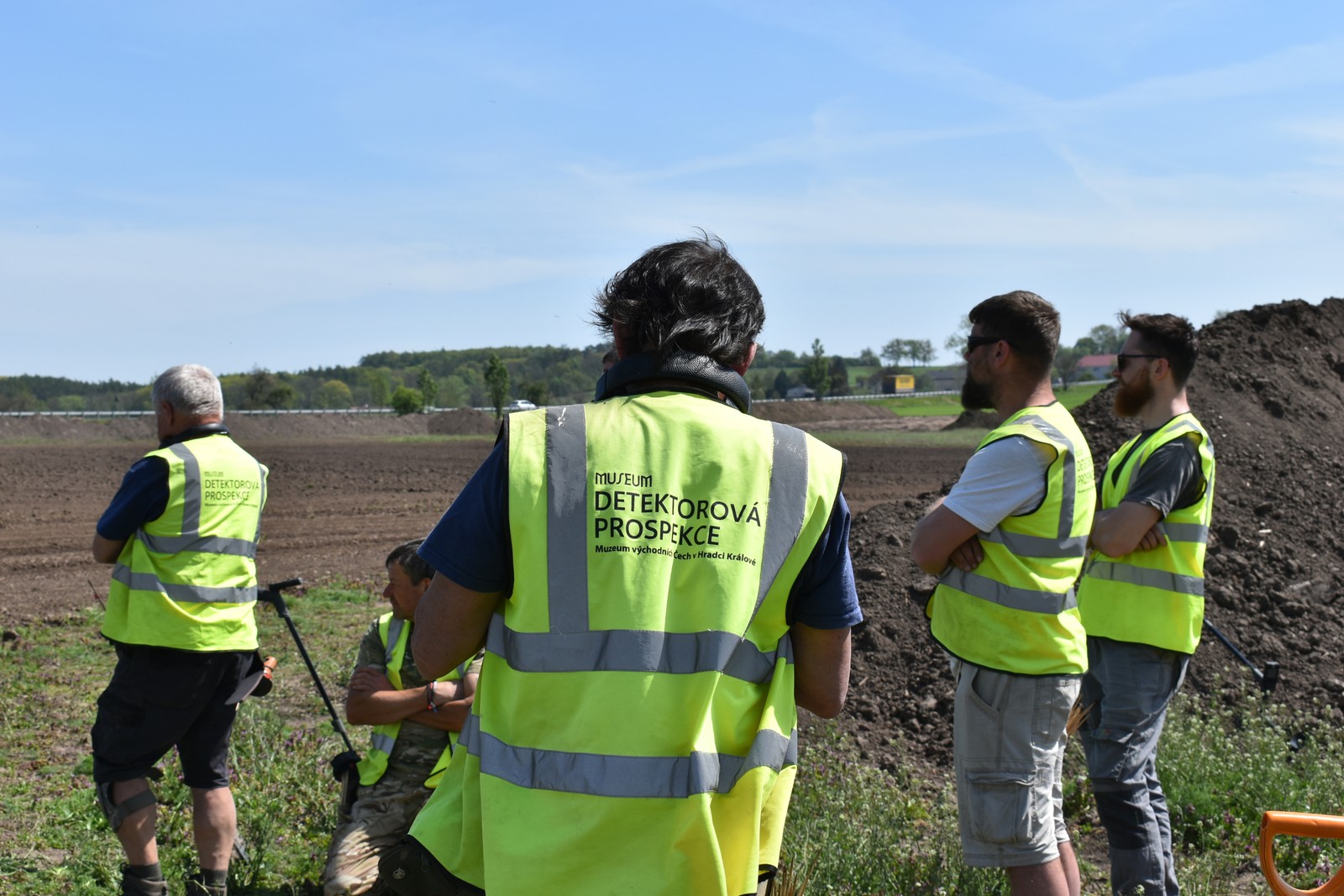
An important role in the field was also played by volunteer “treasure hunters,” men and women who are willing to lend their metal detectors and skills to science (unlike their less altruistic colleagues, from whose raids experts must, on the contrary, keep the exact location of the find secret – more in the box).
“Our museum has been cooperating with non-scientific workers, i.e., metal detector users, for several years, thanks to the museum program How to Find and Not Destroy,” says excavation leader Matouš Holas.
“By recording and storing found artifacts, we try to save as much information as possible from archaeological sites,” he adds. The museum also trains “its” treasure hunters. “Selected collaborators then help us for an appropriate financial reward. Many of them become almost professionals,” Holas says with satisfaction.
We had no idea what an enormous find we would uncover
Standard archaeological research on the route of the future D35 motorway from Hradec Králové toward Jičín began at the end of 2023, and the last fieldwork ended last year before the summer holidays.
“We knew, based on previous spatially limited excavations and surface collections, that there had been some settlement from the La Tène period in those places. Whenever we drove by with my partner, who is also an archaeologist, we would say, "Somewhere under us there was a settlement…." But we had no idea what an enormous and significant find we would uncover,” says Tomáš Mangel.
Shortly after the fieldwork began, the archaeological team started encountering finds that took their breath away.
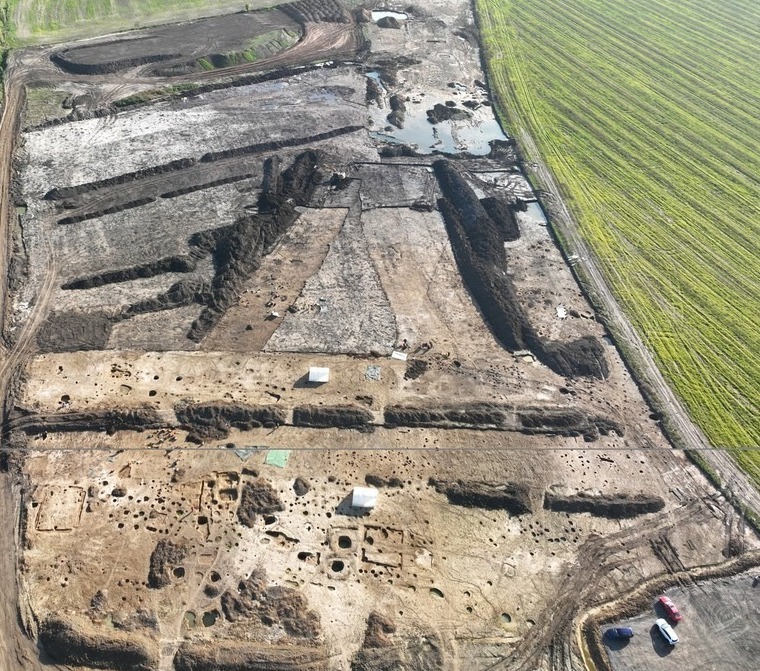
The finds undeniably prove long-distance contacts. We can say with certainty that one branch of the so-called Amber Road ran through here.

Matouš Holas takes us back to the very beginning of the fieldwork. At that time, they were primarily focused on collecting artifacts from the Austro-Prussian War (1866), which he specializes in.
“The motorway route cut through the largest battlefield of that war near Hradec Králové. But after the first days of the survey, it was clear to us that it wouldn’t be just collecting militaria. Once we had laboriously dug all the projectiles and fragments of ammunition from the topsoil in the construction area, we could focus on smaller artifacts. And the largest number of artifacts then came from the phased stripping of the topsoil and overlying layers,” he recalls.
They agreed with the suppliers of construction machinery that the topsoil layers would be removed in ten-centimeter layers. That way, they were able to repeatedly search an enormous mass of earth, leading to a hundreds-of-percent increase in the number of objects found.
“By then, we knew we were on a unique site, so our work became very precise and brought unique data.”
Tomáš Mangel continues: “At first, reports from the field came in about coins – that still wasn’t anything exceptional, but then – I was actually on a research stay in France – they called and wrote that they were finding more and more coins, not just small ones, but also gold coins of high value. That got my attention because it no longer looked like a standard find. Everything started increasing, the numbers kept climbing,” he recalls.
The La Tène period
The La Tène period refers to the Late Iron Age, that is, the last four centuries before our era. The general public associates this period with the Celts.
“We archaeologists don’t like the term very much, it’s a misleading simplification. Nevertheless, everyone knows that the Celts existed, but few people know exactly what the La Tène period is, so as a basic guide for laypeople, it works,” Mangel admits.
“You can’t view the Celts as an ethnicity or a nation; it’s essentially a social construct. The Celts are a kind of terminus technicus for the populations of the Late Iron Age in Central and Western Europe,” he explains.
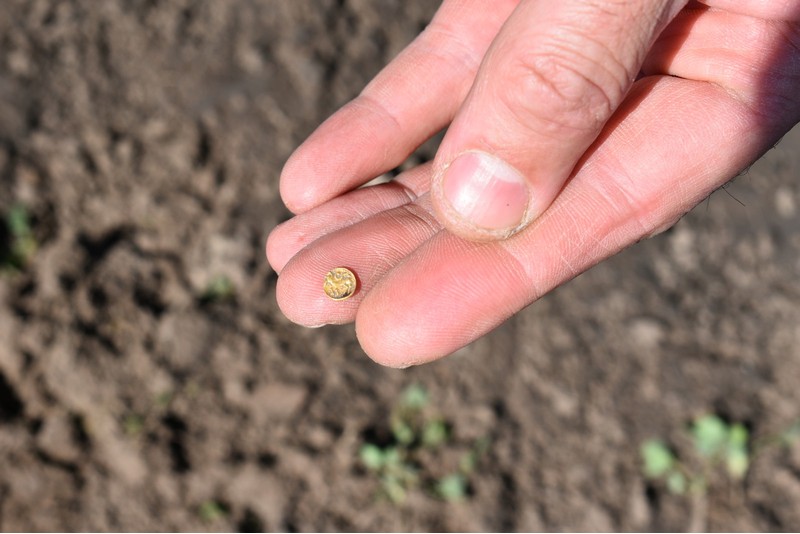
It turned out that the settlement found goes beyond the usual settlement standard of the period.
“For me, the find is emotionally ambivalent. On the one hand, there is enormous surprise and excitement about its potential; on the other, great responsibility and a lot of work. To build a team, divide tasks, and squeeze the maximum out of the data. Maximum, given current possibilities, but also leave potential for technologies that may come only in the future,” Mangel elaborates.
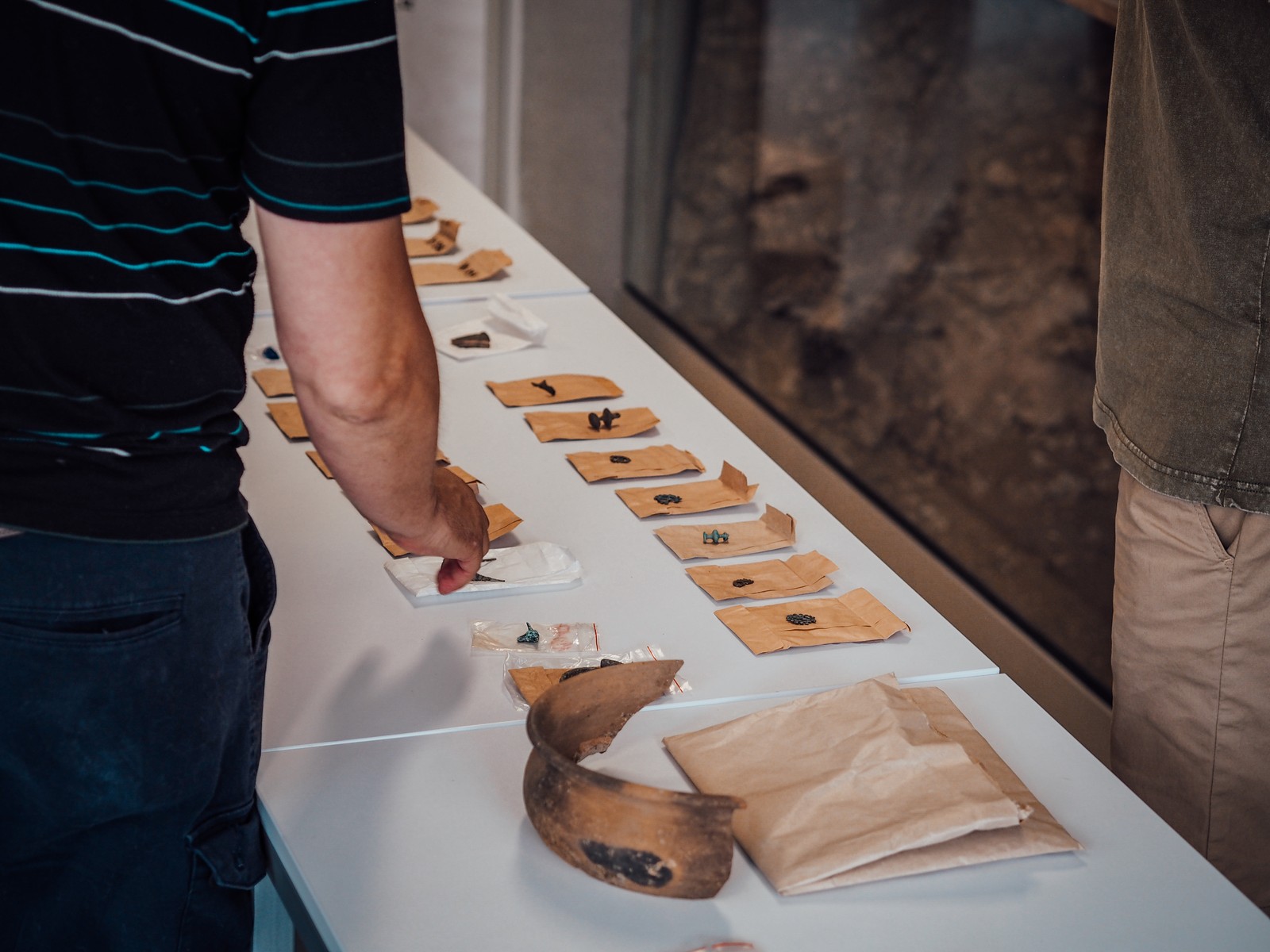
The finds are already stored in boxes and are being conserved. The work is moving into laboratories.
“The University of Hradec Králové has new, state-of-the-art laboratories; we have excellent microscopes, X-rays, CT, scanners, so I believe we will be able to read a lot from the finds.”
A breakthrough find
“Settlements from this period usually covered areas of just a few hectares. We call them open agricultural settlements. Most often, they were small farmsteads focused mainly on growing basic crops and raising domestic animals; here and there, you would find a blacksmith or a potter, but for the most part these were rather home-based craftspeople who made a few pieces for themselves, their family, or a small community,” Mangel describes.
“The find profile is usually not particularly exceptional. We find sherds here and there, and usually a low-value coin. But this settlement exceeds the standard in many respects.”
One of them is its size: approximately thirty-five hectares.
“We call such settlements agglomerations or central settlements. In Central Europe, they appear roughly from the second half of the 3rd century BC. Similar settlements exist across much of Europe, but their documentation in the territory of Bohemia has so far been insufficient. Our agglomeration was moreover uncovered almost in its entirety, with great care and using a whole range of the most modern methods, which is why our find is groundbreaking even in a European context.”
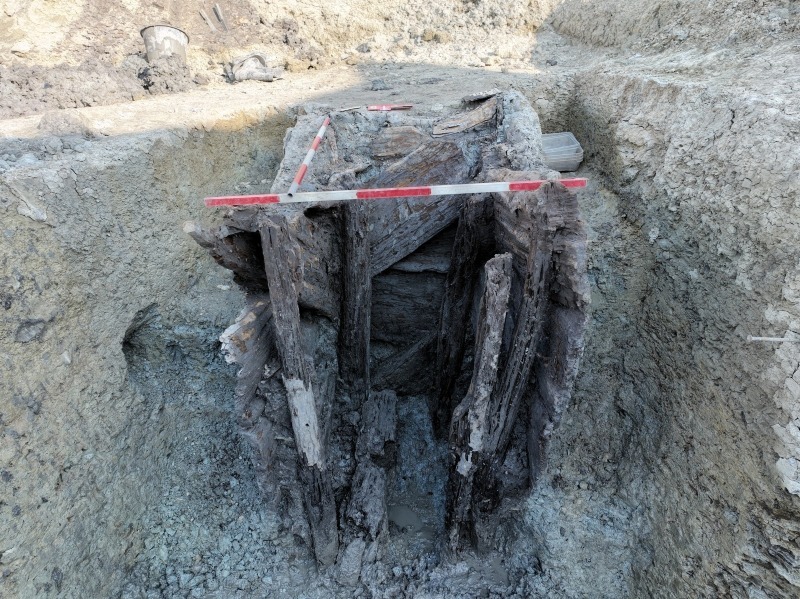
A pit in the ground with a firebox, next to it a service area. The firebox is separated from the upper space by a clay grate with perforations. Above that was a dome.
Another aspect is evidence of specialized crafts and finds of coins of various values in the high hundreds, pointing to lively trade.
“It was a crossroads of trade routes,” Mangel notes before offering a more detailed explanation.
Professional potters
The finds show that skilled craftspeople here were no longer producing goods only for their own family’s needs, but at least partly for exchange or sale.
They needed specific knowledge and technological procedures that not everyone possessed, as well as specific raw materials.
“It’s, for example, work with the potter’s wheel, on which they produced high-quality ceramics that they then distributed more widely,” Mangel explains.
At the Hradec site, ten very well-preserved pottery kilns were found, a record find in Bohemia. “They made production more efficient and reduced the risk of vessels cracking during firing.”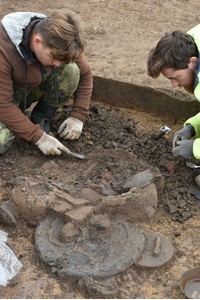
Another similar agglomeration in Bohemia is the site in Lovosice, but it was significantly disturbed by modern development. “Only limited areas were examined there; here we have the entire area, which allows us to reconstruct what such a settlement looked like and to view the associated production comprehensively.”
Among millstones
For context, Mangel gives another example of a highly specialized craft from elsewhere. “In the vicinity of Kunětická hora, workshops for producing millstones are documented. ‘Kuňka’ is a volcanic formation of phonolite, which is excellent material for making them.”
Archaeologists found that in the 2nd–1st century BC, workshops in the cadastral area of the village of Ráby controlled the source of phonolite and produced millstones from it.
“We find the finished products across a large part of Bohemia, in Moravia, and sporadically in southwestern Slovakia, but semi-finished pieces and rejects, which are evidence of production, only beneath Kunětická hora. Nothing technically complicated was involved; it was ‘just’ physically demanding, but the main condition was good material. And phonolite was exactly it.”
Another craft specialization at that time was, for example, iron production. “For that, you need to know the procedure. Building and operating a furnace isn’t that hard, but you must know exactly what you want to put into the furnace and how to approach it,” Mangel explains.
“Iron ore is a fairly commonly available raw material, but you needed a smelter who knew the process and had the necessary experience.”
Uncertain glassworks
Returning to the “Hradec” La Tène settlement, finds of glass semi-finished products could point to another specialization, namely the existence of glassmaking workshops.
Here, however, Tomáš Mangel is cautious. “There aren’t many finds of glass semi-finished products, and they don’t speak unambiguously. Similarly, some metal finds suggest that non-ferrous metalworking could have taken place here, typically bronze, but the evidence isn’t numerous or conclusive enough to claim this with certainty at this point.”
What can be stated with certainty is that the settlement was a crossroads in the network of long-distance trade. This is evidenced by the enormous amount of amber.
“We haven’t even counted them all yet; there are thousands. Often tiny pieces, fragments. Amber must be conserved very carefully because it crumbles after being taken out of the ground,” Mangel adds.
Amber, i.e., fossilized resin, was obtained mainly in the Baltic region and distributed across Europe along routes later collectively known as the Amber Road.
It was already processed along the way; jewelry was made from it, most often as beads. “Thousands of amber fragments are a beautiful, undeniable proof of long-distance contacts. One branch of the Amber Road must have run through here.”
The clinking of coins
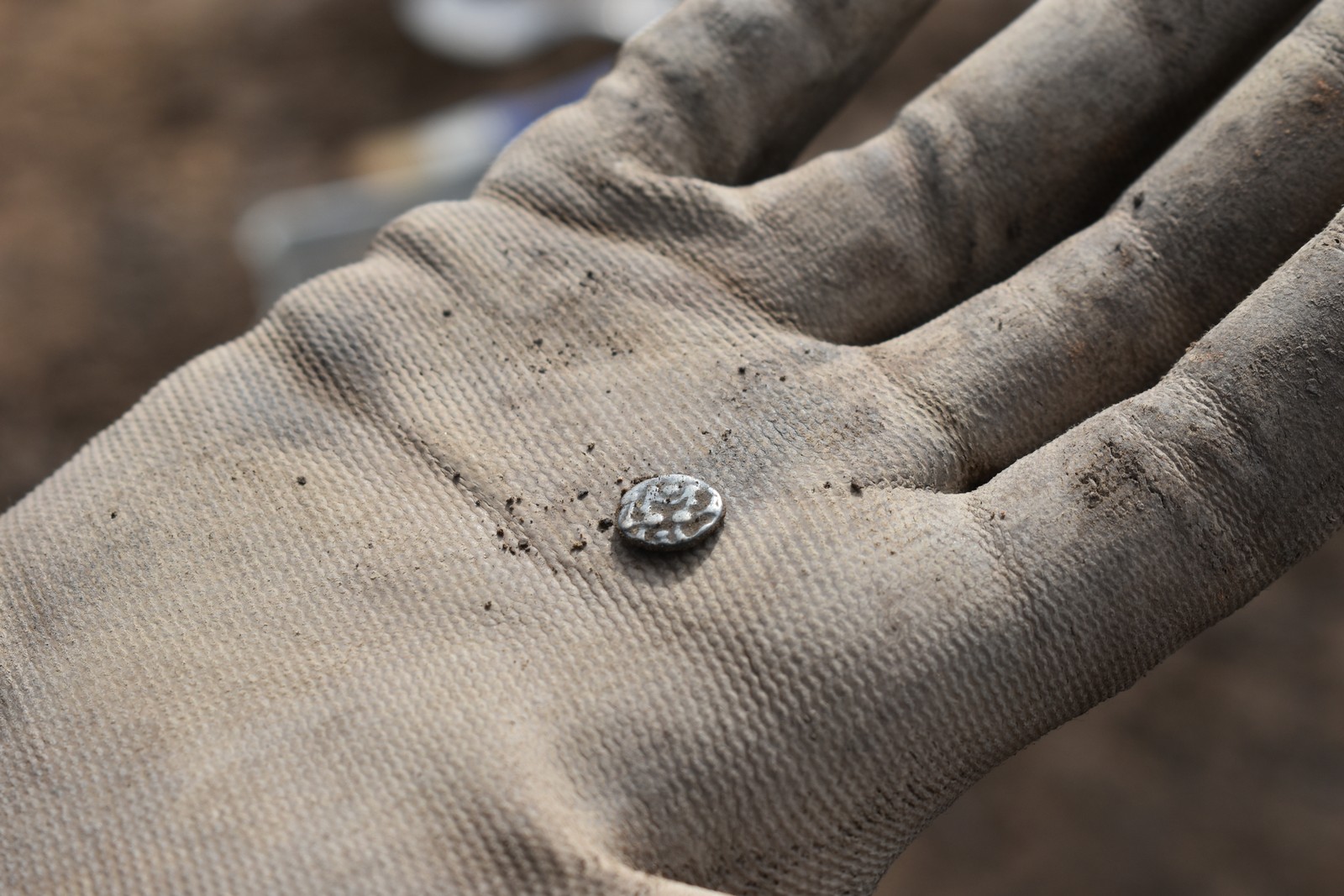
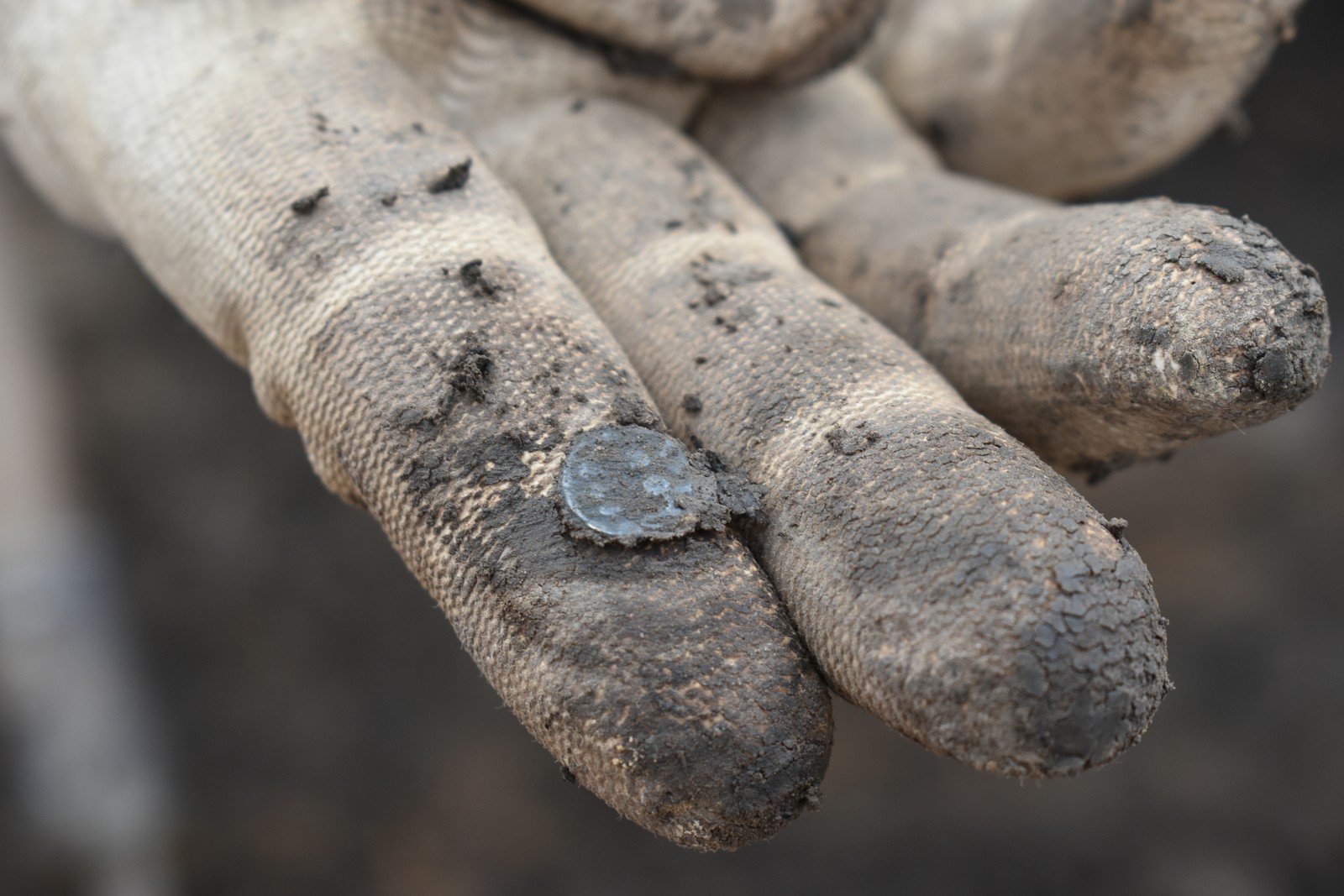
Other silent witnesses to the importance of the uncovered settlement are the silver and gold coins. More than a few hundred were found here, over the course of less than two centuries; they were dropped and rolled away by local people and travelers…
“Coinage as a phenomenon appears in Central Europe roughly from the middle of the 3rd century BC,” the archaeologist explains the context. “Its beginnings are associated with the Celts, who penetrated into the Mediterranean and were hired as mercenaries by Hellenistic rulers after the fall of the Macedonian empire. From written sources, we know that Celtic mercenaries were paid in gold staters, i.e., Greek or Macedonian coins. In our lands, the minting of these coins was then imitated. And coinage quickly took hold here and began to live an iconographically independent life.”
We may never again in our lives get the chance to work on research this unique.

Coins were minted from other metals as well, but in Bohemia and Moravia mainly from silver and gold. “They had different values. We don’t know exactly what could be bought for which denomination, but there was clearly a system. Gold coins could have served to store wealth or to represent elite status. Among the silver ones, there are also those that I jokingly call ‘bread-roll coins’ in lectures,” the scientist and teacher smiles.
“At sites from this period, you usually find a few coins, but here there are really a lot of them, including counterfeits.”
The hundreds of coins found are now being examined by Jiří Militký, a numismatics specialist from the National Museum.
At the moment, archaeologists cannot determine for the coins themselves whether a particular coin was minted on-site or brought here from elsewhere, but some finds show that coins were minted here as well.

“Coin minting is connected with the discovery of a die punch, used to produce dies, i.e., the actual coin stamps with a specific coin image,” he explains.
“Another proof of coin production is small scales and especially coin blanks, small ingots, and also a series of gold objects that look like discarded metal intended for recycling, i.e., for melting down and re-minting. They are not finished ingots with precise weight, but fragmentary gold.”
… and then suddenly there was nothing
According to Tomáš Mangel, the central settlement may have thrived for about 150 years. And what happened then?
“We have no direct evidence of major war conflicts or any catastrophe. Written references exist, but they rather cause us trouble: ancient written sources are tricky. They are fanciful, fragmentary, and appealing. We cannot take them literally. Critical interpretation from all angles is necessary; in the end, we often find it was a nice fairy tale, but nothing more.”
There are various theories about the disappearance of settlements, but Tomáš Mangel leans toward a gradual transformation of society driven by economic and socio-political changes.
“If it had been a catastrophe, it would be ‘perfect’ for an archaeologist, everything would remain in place; the most famous example is, of course, Pompeii. But here someone simply left; only a house and a refuse pit remained. When the elite left, they usually took their prestigious items, which could tell us a lot, so our knowledge is also limited,” Mangel shrugs.
Treasure hunters
The locations of remarkable finds are kept secret mainly because of modern treasure hunters with metal detectors. “In recent years, we have been recording a big boom in this activity,” notes Tomáš Mangel.
“Some of the so-called detectorists cooperate with us and even help us, but many do not. The black market is thriving; some finds from our site would reach enormous value there,” he believes. And if a nice legend is attached to the finds, the price rises.
Owning a metal detector is legal. However, searching for archaeological finds without the necessary authorization is illegal.
“It’s a huge problem, and there is basically no meaningful way to eradicate this phenomenon completely,” Mangel fears.
Matouš Holas from the Museum of Eastern Bohemia adds: “At the museum, we believe that cooperation and awareness-raising are far more beneficial. It does add work, but the benefit for our knowledge is undeniable. In some places, however, we forbid them to enter; elsewhere, access is limited.”
It is, however, common for treasure hunters to enter research areas uninvited. “Unfortunately, it happens mainly on weekends or at night. We try to fight it through monitoring of sites and cooperation with the police. Our collaborators carry a document proving they belong with us, so we can distinguish them from dishonest people,” Holas explains.
Anyone who deliberately searches for artifacts and digs them out of the ground (with or without a detector) without the proper license commits illegal research and faces confiscation of the detector and a fine of 50,000 to 4 million CZK.
“Society developed, had certain needs and potential that began to weaken. Politics and the economy were tightly linked, as they still are today; larger centers accumulated economic, political, social, and religious functions; it was precisely here that social and religious-political acts took place. And complex centers tend to be very sensitive to societal stability. Simple ones can withstand shocks, conflicts, or natural disasters more easily; complex ones function like clockwork. A gear falls out, and the machine jams and collapses.”

The elites evidently fell. Fashion and lifestyle are always set by them. “When elites disappear or fall in a revolution under the guillotine, their ‘style’ disappears too; others take over, and most of the population again adopts their style.”
It is possible that some military clash occurred that might have finished off a society in crisis, but according to Mangel, it is usually not the only or the first driver in history.
Archaeologists do not (necessarily) delay
By law, anyone who “breaks ground” should contact an institution authorized to carry out archaeological research and enable it to do so. Such authorization is most often held by museums, archaeological institutes of the Czech Academy of Sciences, heritage-care institutions, or some universities and generally beneficial organizations.
As part of preparations for the building permit, an agreement is concluded to carry out rescue archaeological research; it already includes an estimated price and schedule. This is binding for both sides. “If archaeologists underestimate something, it’s their problem; there are also penalties for delays,” says Tomáš Mangel. “An archaeologist simply can’t stop motorway construction just because ‘oh, we didn’t expect there to be a prehistoric settlement!’ There are penalties for that.”
In areas with potential for interesting finds, a preliminary investigation is often conducted.
“In the case of the D35 motorway, we already did surface collection, research, and preliminary surveys more than ten years ago. For major constructions, work begins well in advance; geophysics, detectors, and qualified estimates are used; based on them, the contract is priced, the time is estimated, and the necessary workforce capacity,” Mangel explains.
But even so, it sometimes happens that once you “dig,” everything suddenly changes. “That happened to us in 2017–2018 in the case of the D11, when the amount of archaeological situations on some sections exceeded all estimates. Originally, we had a year for implementation, but we managed to negotiate a two-month postponement with the Road and Motorway Directorate.”
And that is always how it is: an agreement must be reached. “Sometimes people say that ‘archaeologists delay construction,’ but they can only delay it if someone allows them to; there is no automatic entitlement,” Mangel explains.
Colleague Matouš Holas adds: “We hope that constructions of this kind, with such a large excavation area, will not be repeated in the future,” he says with a smile. “That’s why it’s necessary to record every single object found during the excavation, because it helps us understand our ancestors’ relationship to the local landscape. A motorway can cut through various landscape elements, creating a completely unique probe that very often reveals entirely unknown sites.”
Eighty farmsteads, eight hundred people
How many people lived here and how life was organized will be the subject of further analysis.
“We have hundreds of boxes of material, thousands of features. Only with further analyses will we be able to put together the chronological development; then it will start to make sense.”
But he still offers a comparison that brings us to a possible number of families or inhabitants.
“A model example is the oppidum of České Lhotice in the Chrudim region, with an area of about twenty hectares. A farmstead, which is the settlement unit of the time, we calculate as about fifty by fifty meters. One household typically worked one farmstead, more an extended than a nuclear family; for simplicity, we estimate about ten people per household,” Mangel offers his archaeological demographic math.
Based on this comparison, the Hradec settlement might once have been inhabited by around a thousand people.
And what else gives the find supra-regional, pan-European significance?
“We found coins from Hesse and Thuringia on the site, jewelry from Northern Europe, from the Carpathian Basin, from Moravia, and from Roman Italy, which testifies to the long-distance connections the inhabitants here had. And in terms of the scale of the find, in the context of Bohemia and Moravia, it is absolutely unique, but even in Europe, there aren’t many similar ones.”
Graves (do not) speak
As we have indicated, most analytical work still lies ahead for experts; many interesting details about the lives of people in the found settlement and the conditions in which they lived will be known only in several years, and we may never learn many things. Something is missing that would tell archaeologists, somewhat paradoxically, often the most about human life and society across time: graves. Graves serve as a time capsule.
“The problem is that graves are missing in this period. We cannot, for example, compare a rich burial with a poorer one. Graves are often excellent sources of information, not only thanks to the ritual deposition of objects, but especially thanks to skeletal remains, which can tell us a lot,” Tomáš Mangel explains.
At some point at the turn of the 3rd and 2nd century BC, a major change in burial practices occurred. Cremation burials increase, and subsequently, evidence of burials disappears entirely.
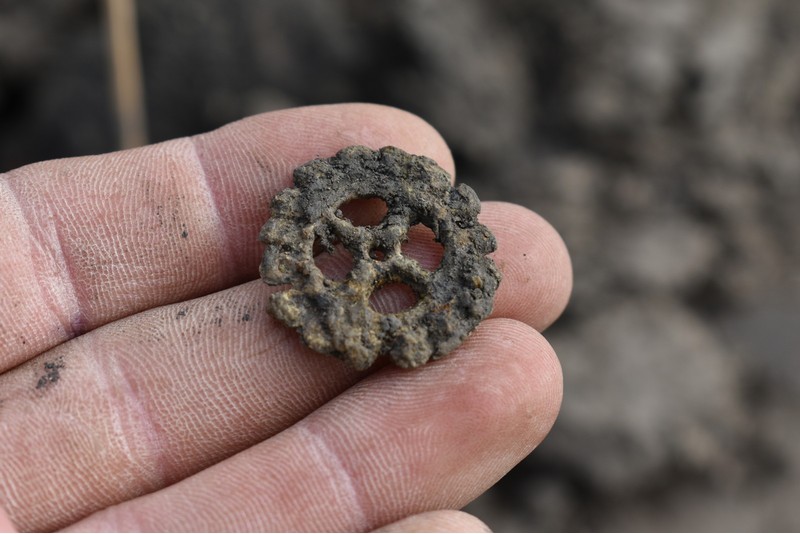
The remains of the dead could have continued to be buried in shallow cremation graves or placed directly on the ground surface. According to Tomáš Mangel, such burials were then far more susceptible to destruction over the centuries, whether due to climatic conditions or plowing.
“But otherwise it’s true that the find is truly exceptional. There was an idea that large centers lay in the Amber Road corridor in Moravia, Lower Austria, and Poland, and that Bohemia was outside the main route. But now we have it right under our noses. The Hradec region used to be considered a periphery; in reality, it’s a crossroads,” the archaeologist smiles.
And he admits that in his professional life, this is an extraordinary event.
Photo gallery






Section navigation: Topics