
Workshops
Four international workshops formed a key part of the TRARCHER project. They brought together students, academic staff, and heritage professionals to collaboratively test and develop the proposed master’s curriculum “Project Manager in Archaeological Heritage.” Through discussions, practical activities, and interdisciplinary teamwork, students explored different aspects of heritage management while providing feedback that helped shape the final results. The workshops also enabled dialogue with external stakeholders, ensuring the programme reflects real professional needs in the heritage sector.
Workshop 1 – Historical Landscapes and GIS
September 2023, Rab, Croatia
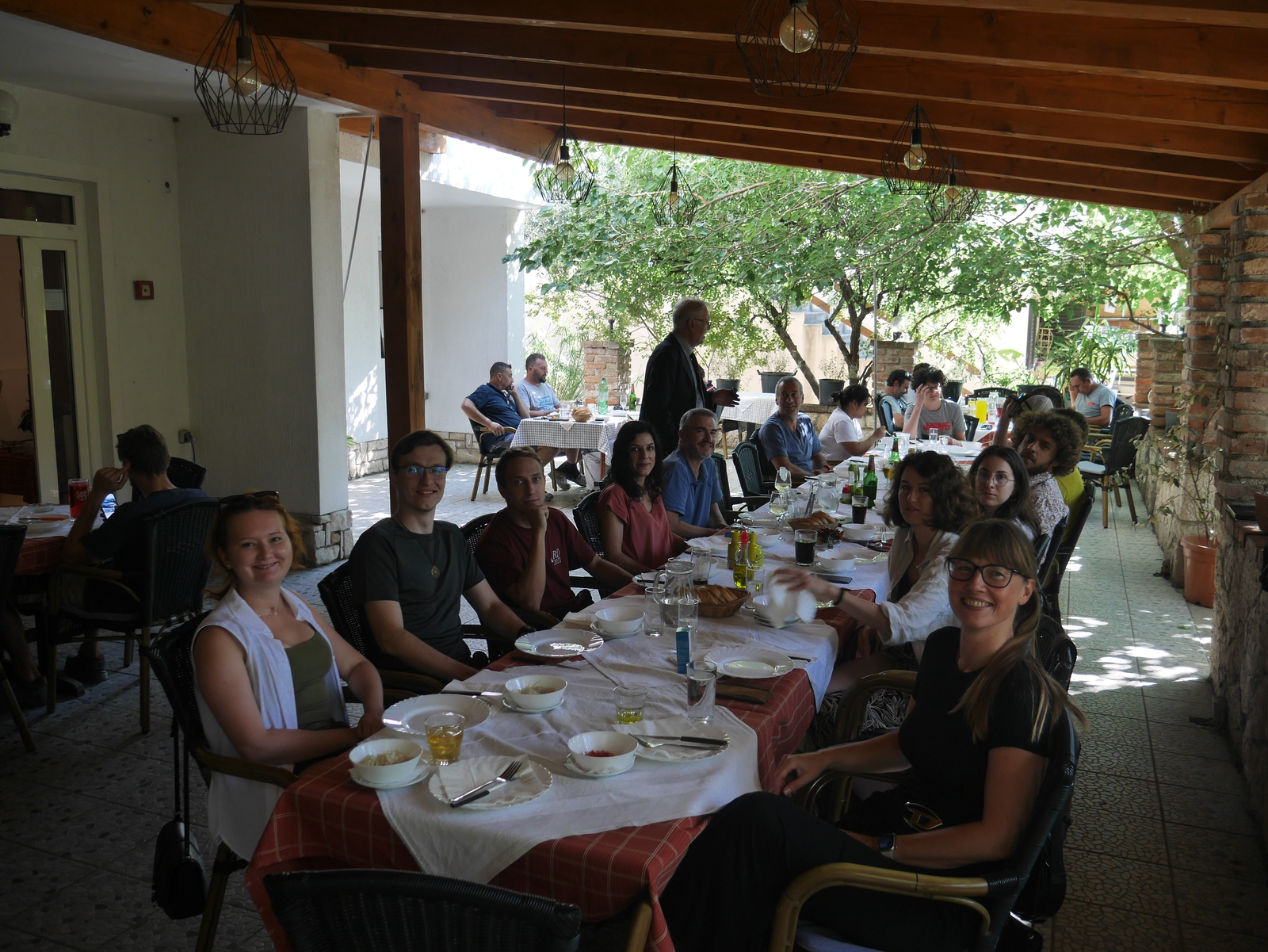
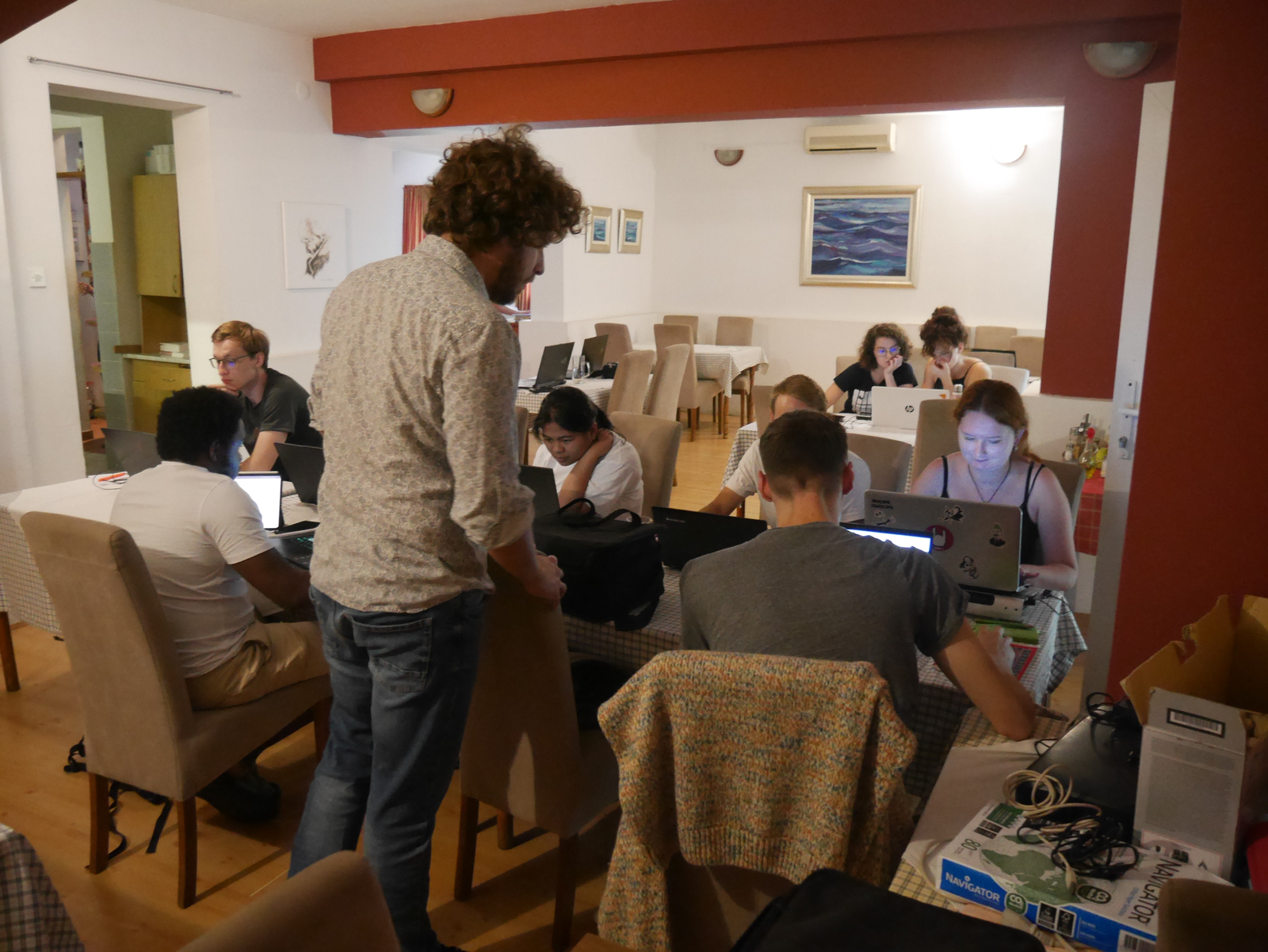
The first workshop took place on the Croatian island of Rab and focused on documenting and reconstructing historical landscapes. Students worked with GIS tools to develop small research projects based on archaeological monuments and sites located across the island. The programme combined lectures introducing key concepts of heritage documentation and preservation with field visits to important archaeological and historical locations, allowing participants to observe how landscape features, monuments, and archaeological evidence interact in a broader cultural context. The workshop also included group assignments in which students applied GIS methods to selected sites and presented their results, gaining practical experience in spatial analysis and digital documentation of heritage landscapes.
Workshop 2 – Digital Technologies in Archaeology
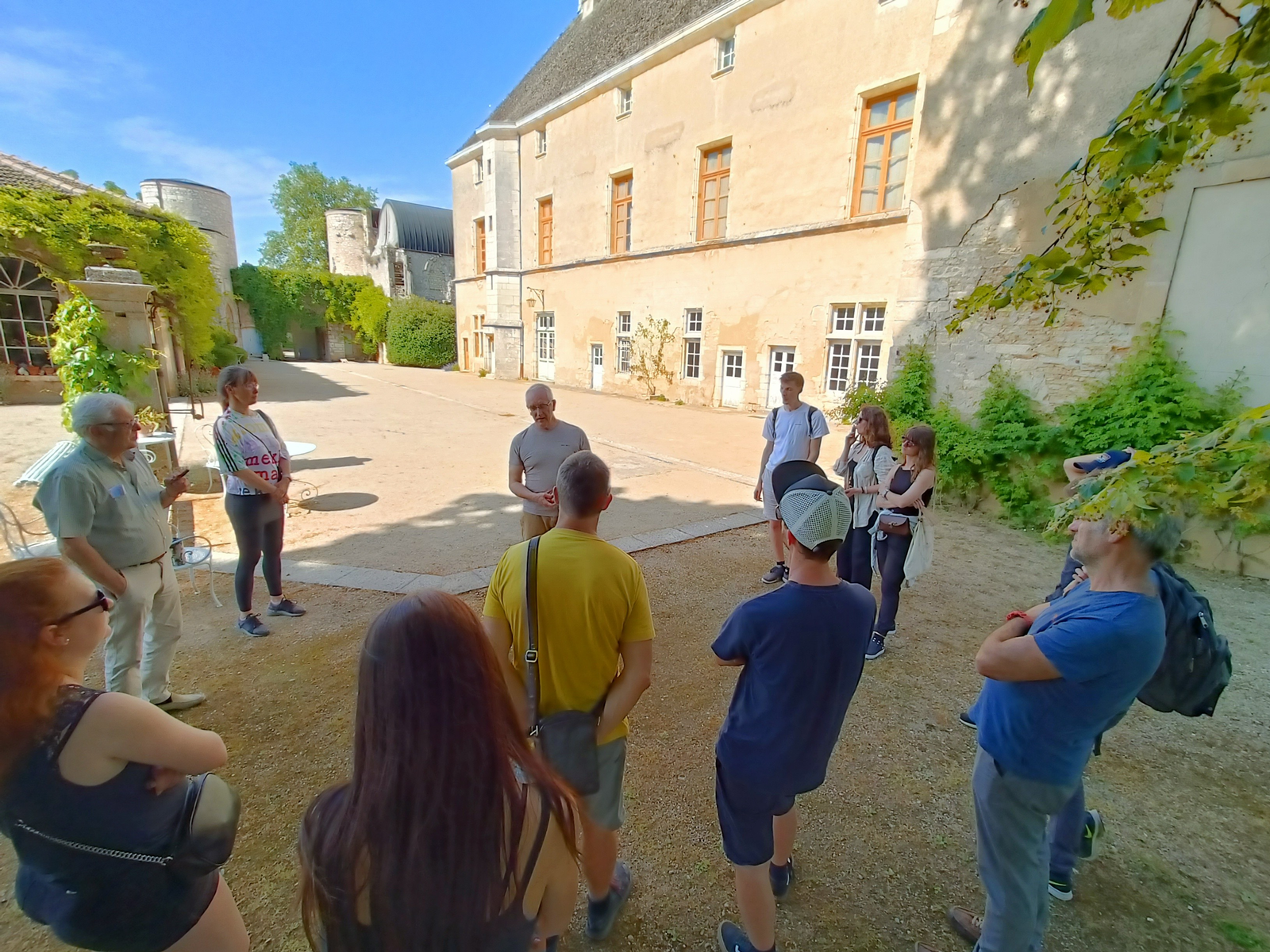
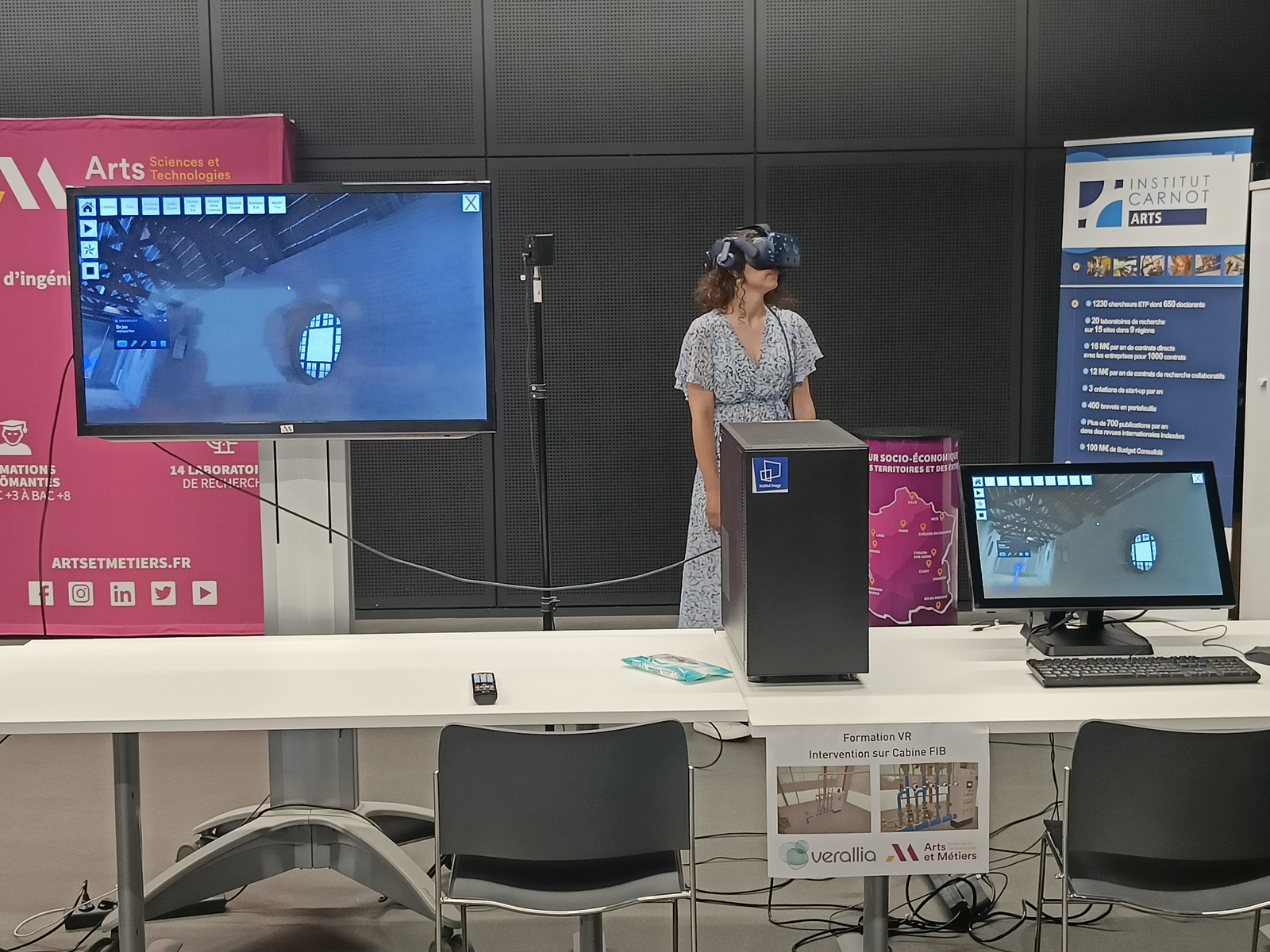
June 2024, Dijon, France
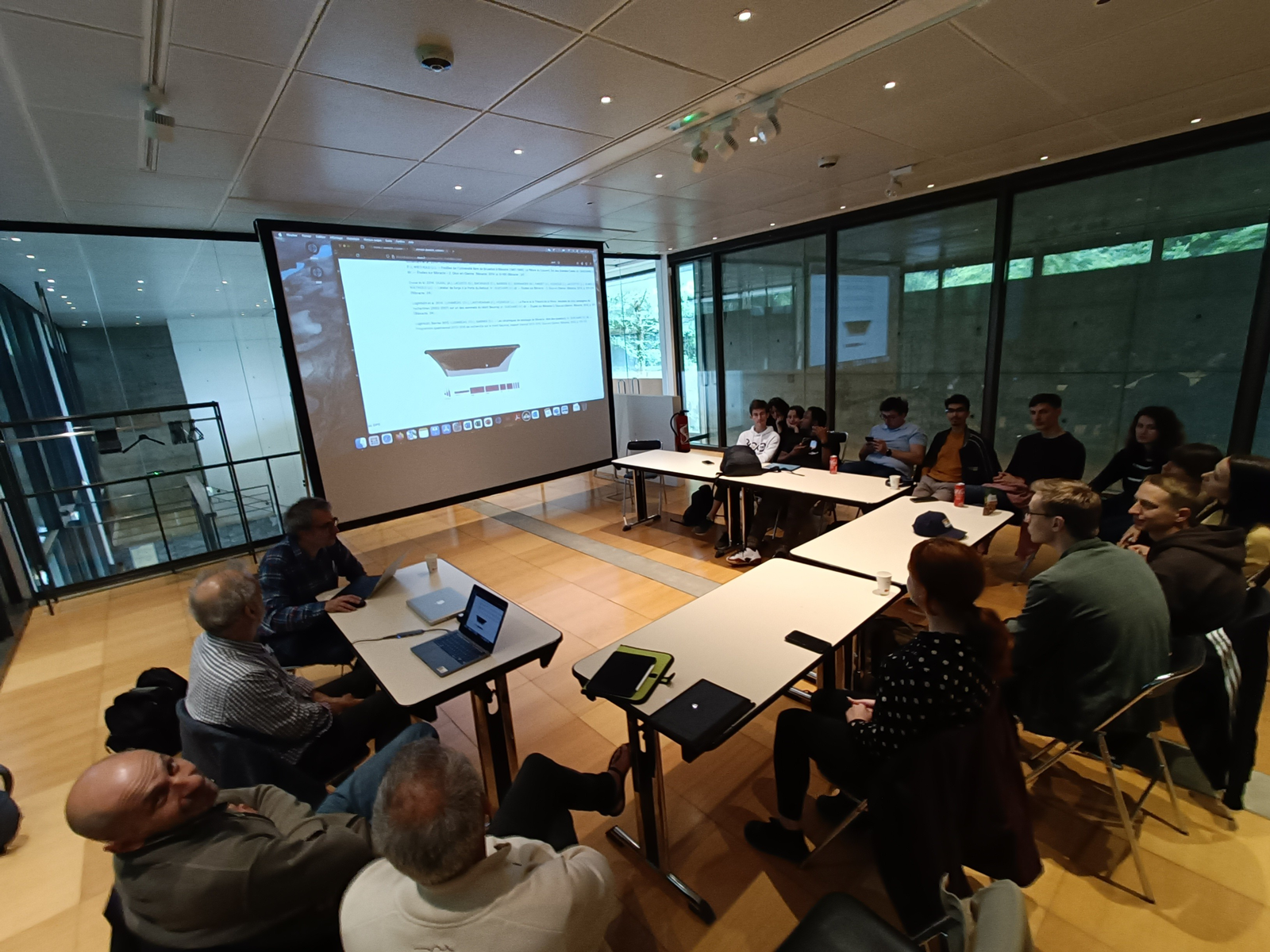
The second workshop, held in Dijon, focused on the use of digital technologies and IT tools in archaeological research and heritage management. Students attended lectures and practical sessions covering topics such as databases, GIS, virtual reality, and digital processing of geometric data. The programme combined classroom learning with visits to important heritage sites and institutions, including the archaeological site of Bibracte, Cluny Abbey, and research facilities specialising in digital heritage technologies. These activities demonstrated how modern digital methods are applied in the documentation, analysis, and presentation of archaeological heritage. The workshop concluded with student presentations of small projects focused on 3D modelling and digital visualisation.
Workshop 3 – Field Archaeology and Excavation Methods
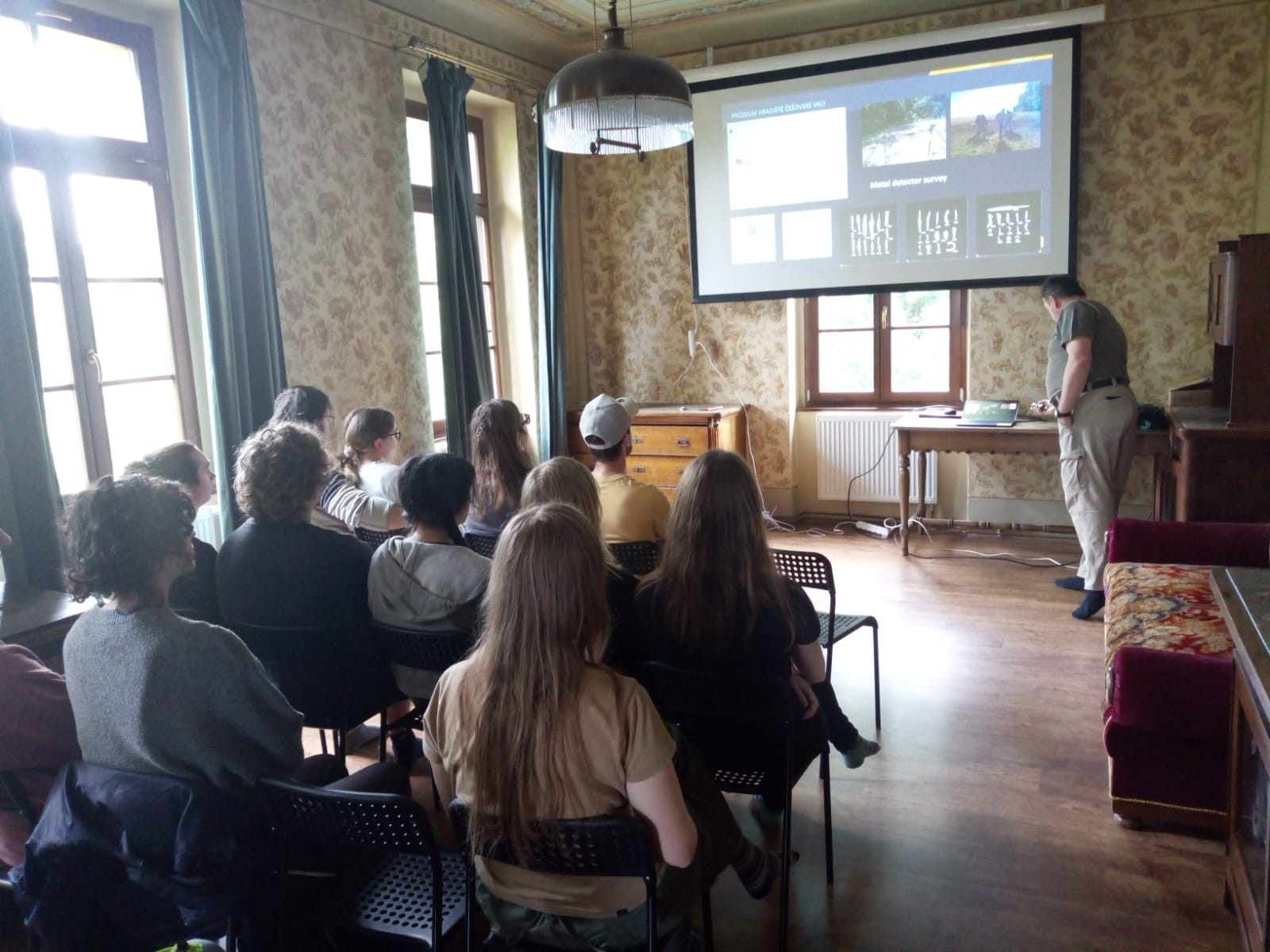
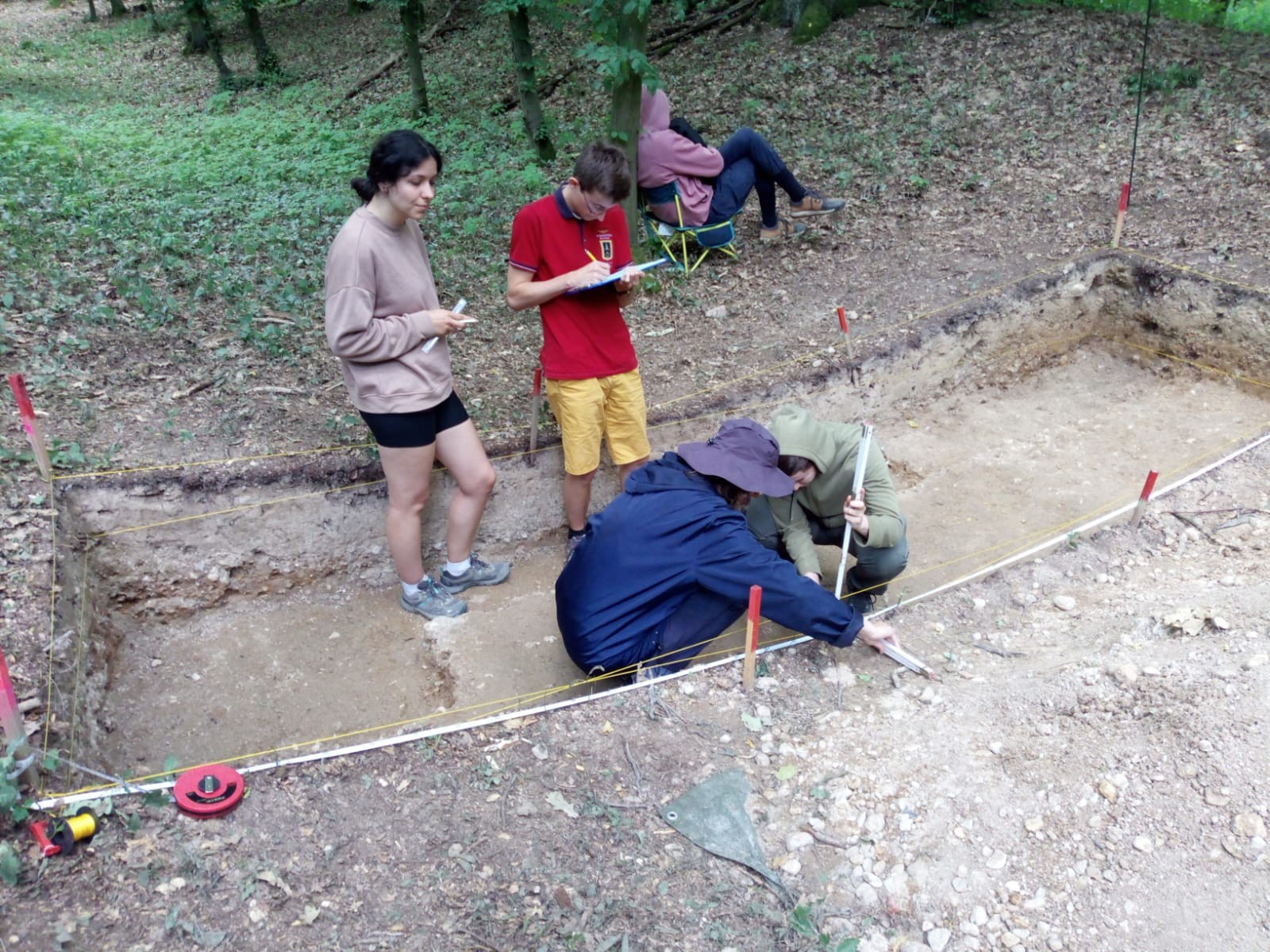
June 2025, Češov, Czechia
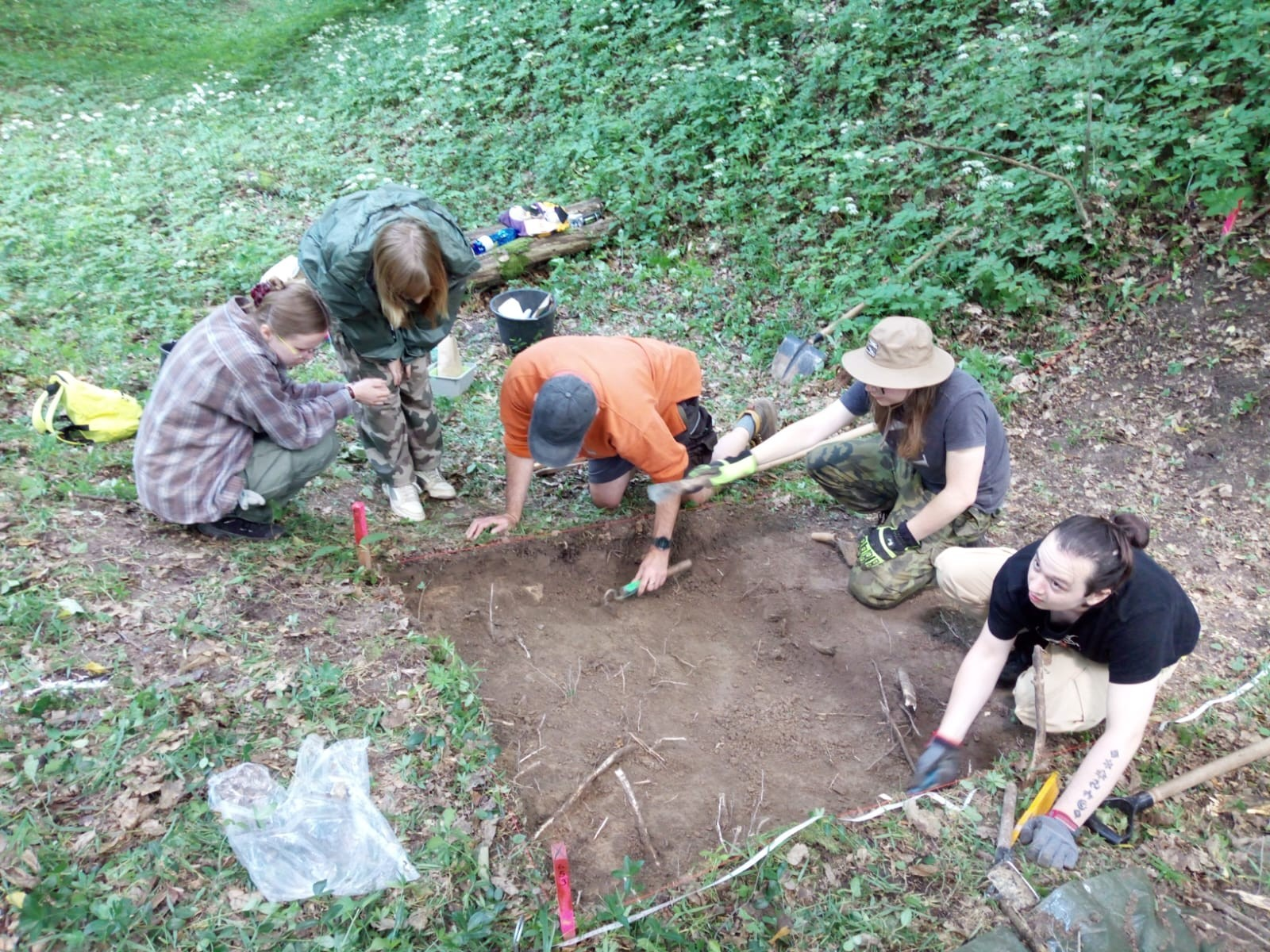
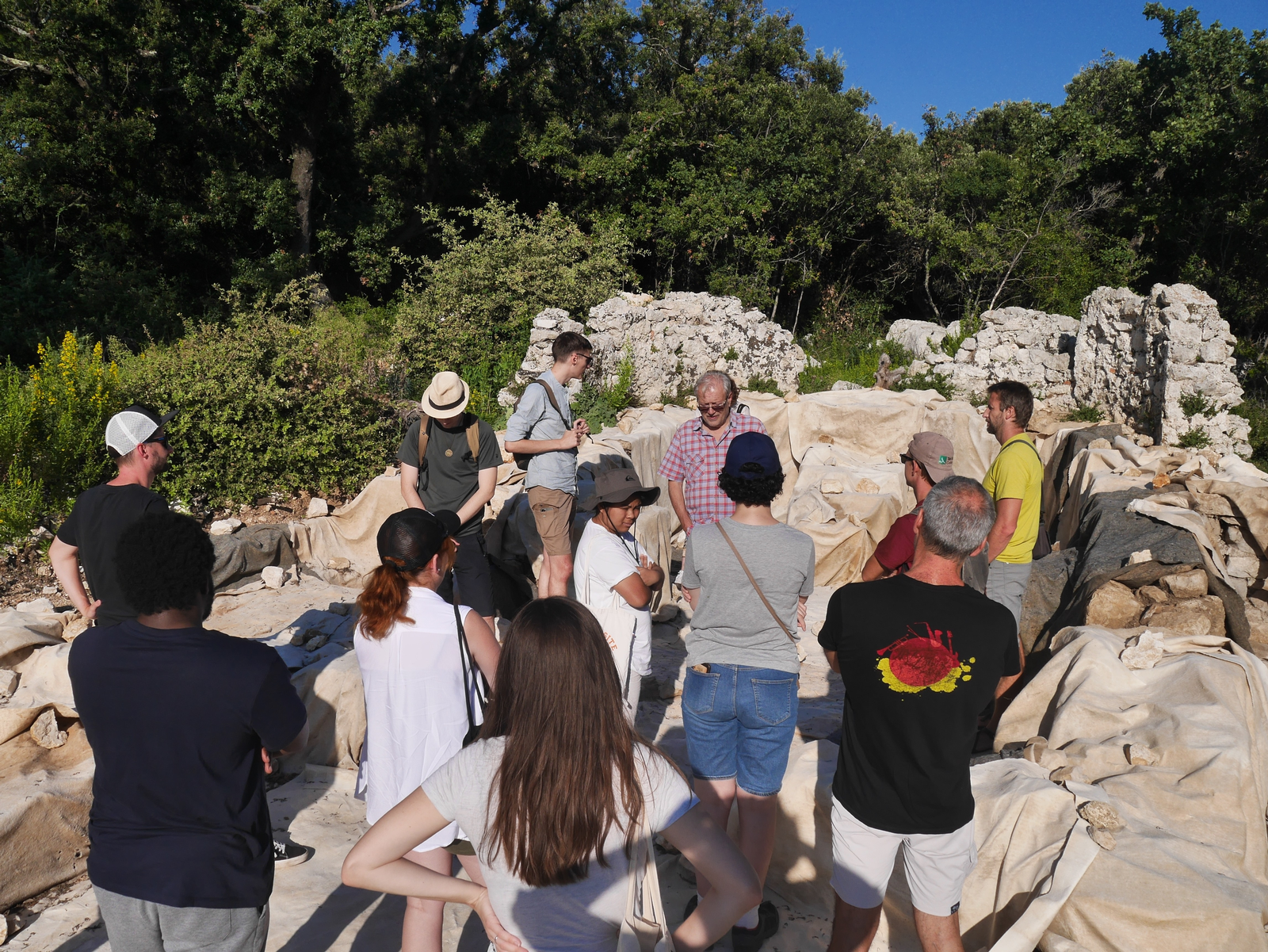
The third workshop took place near the village of Češov in the Czech Republic and focused on open-area stratigraphic excavation and interdisciplinary fieldwork. The activities were conducted at a large archaeological site dominated by a hillfort with massive banks and ditches, where students were able to participate directly in an ongoing research excavation. Under professional supervision, participants gained hands-on experience in excavation techniques, stratigraphic recording, and documentation of archaeological contexts. The programme also introduced additional field methods, including geophysical and detector survey, as well as basic processing and documentation of archaeological finds. The workshop provided a rare opportunity to engage directly in real archaeological research and to experience the full process of field investigation.
Workshop 4 – Laboratory Analysis of Archaeological Finds
September 2025, Hradec Králové, Czechia
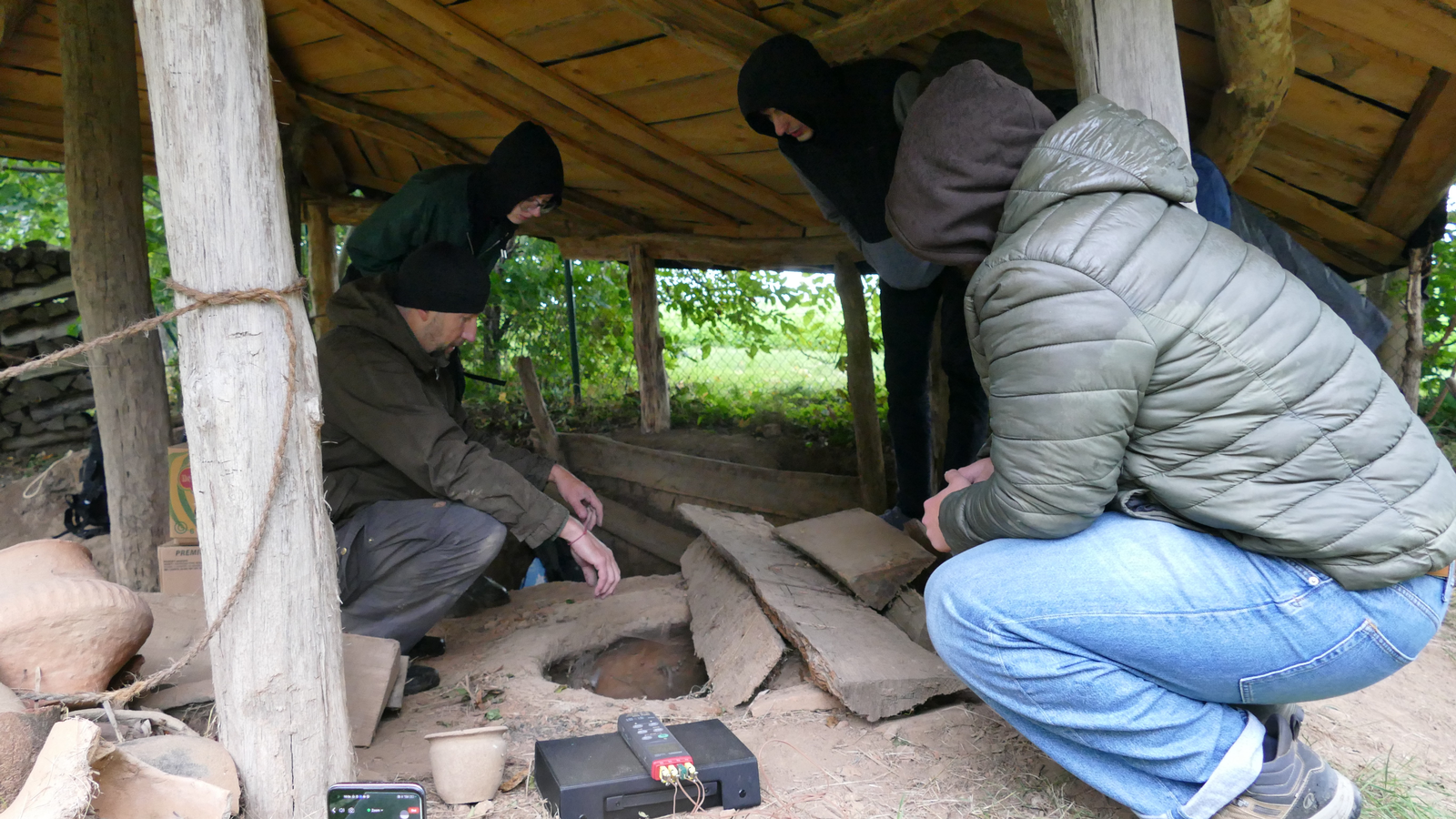
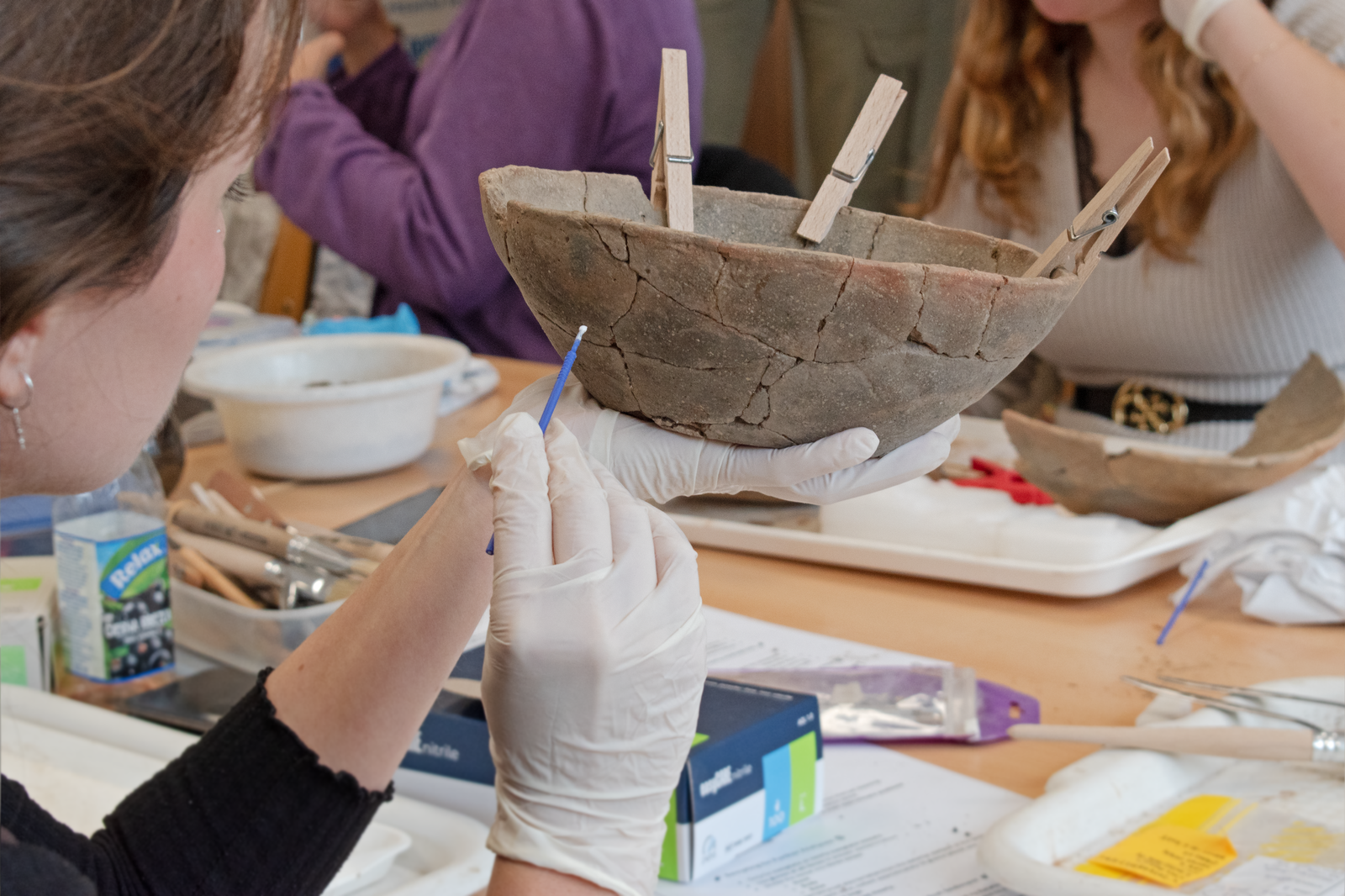
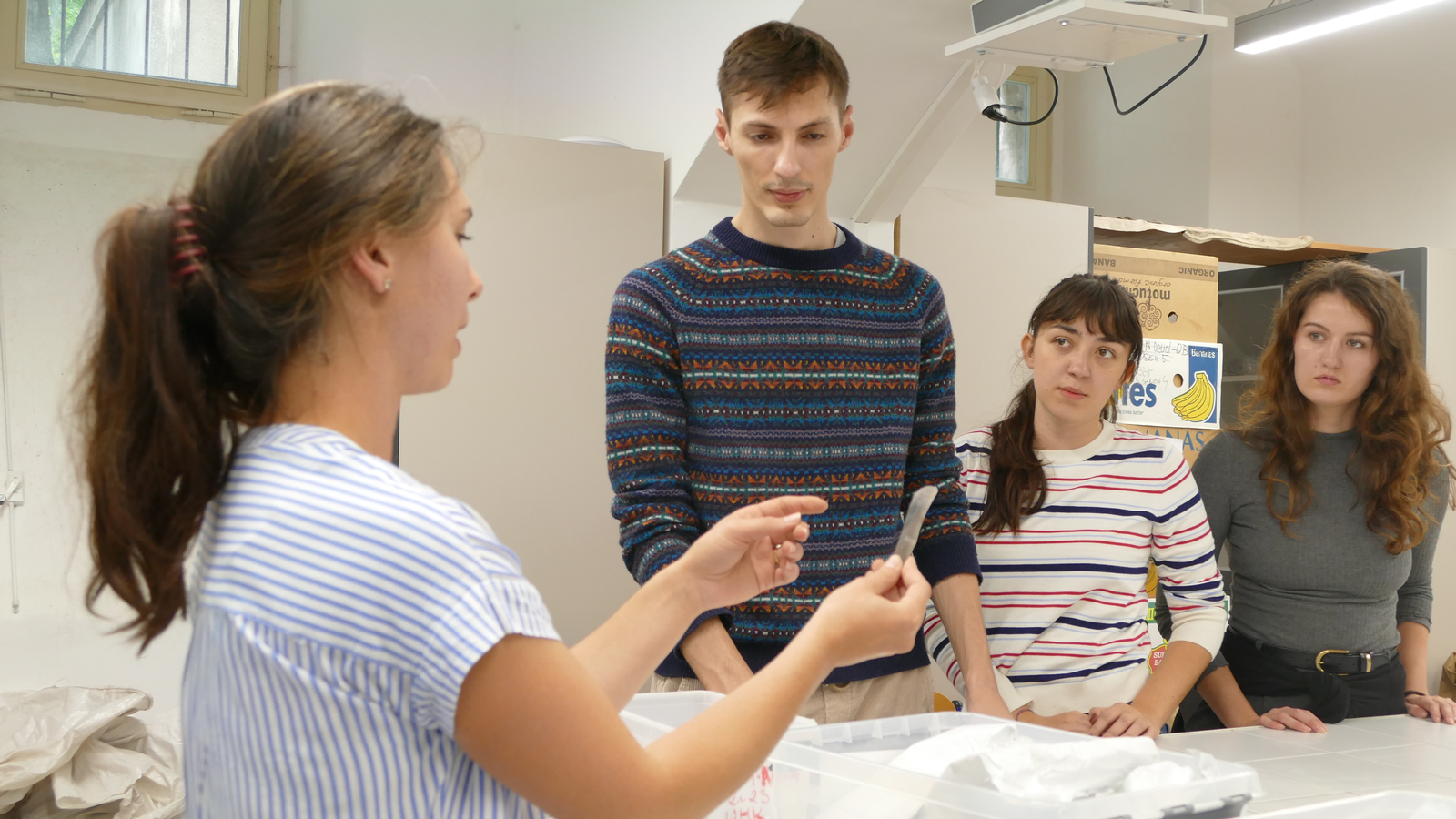
The fourth workshop, organised in Hradec Králové, focused on laboratory processing and analysis of archaeological materials. Students were introduced to methods used to study artefacts after excavation, including technological analysis, traceological examination, and documentation of different categories of finds. Practical sessions focused particularly on ceramics and stone artefacts, while demonstrations also covered the processing of metal objects and other materials. Participants explored the study of stone tool industries and experimental work with materials such as flint, obsidian, and jasper. The workshop also presented documentation techniques ranging from macroscopic observation to microscopic analysis, allowing students to understand how laboratory research contributes to the interpretation of archaeological evidence.
Photo gallery
Section navigation: TRARCHER Cooperative Partnership