FIM’s Indiana Jones (But with Better Ethics): Meet the Guardian of Global Geoparks
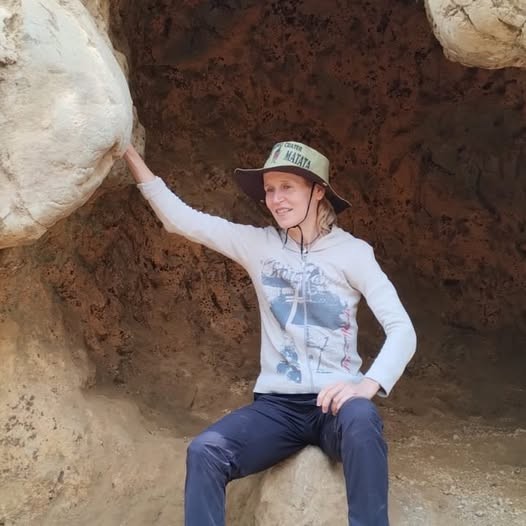
Date of Event: 11/11/2026
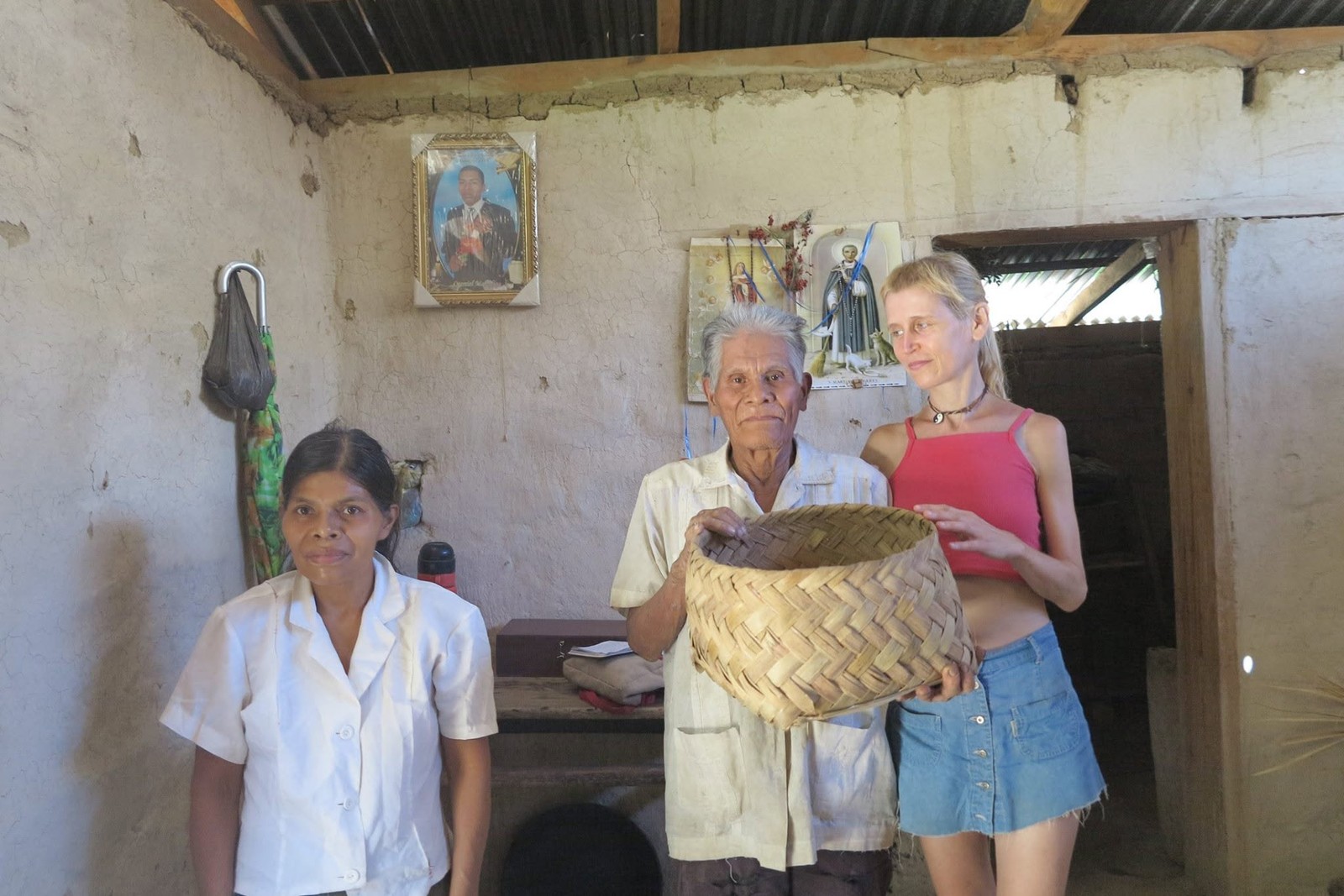
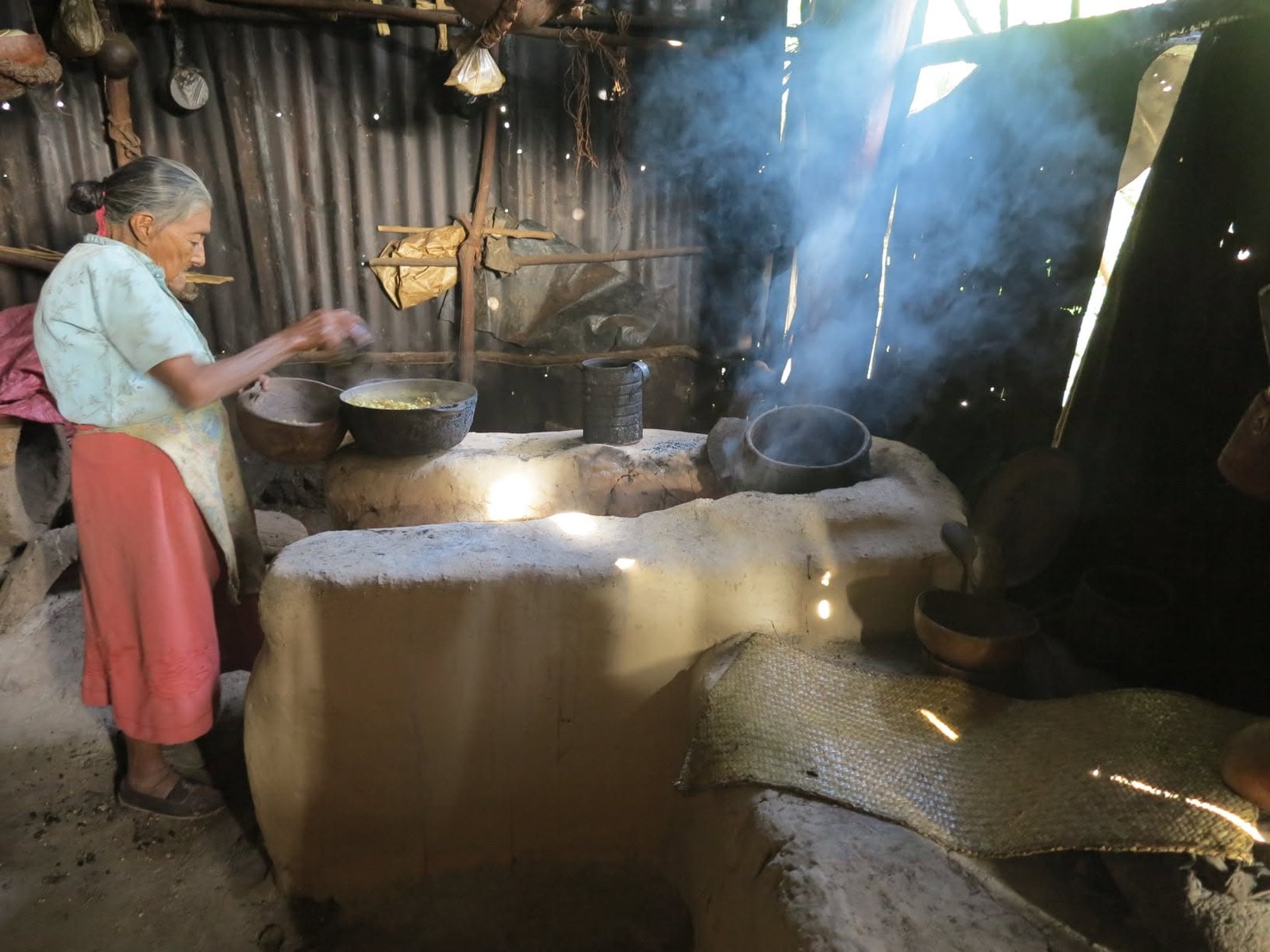
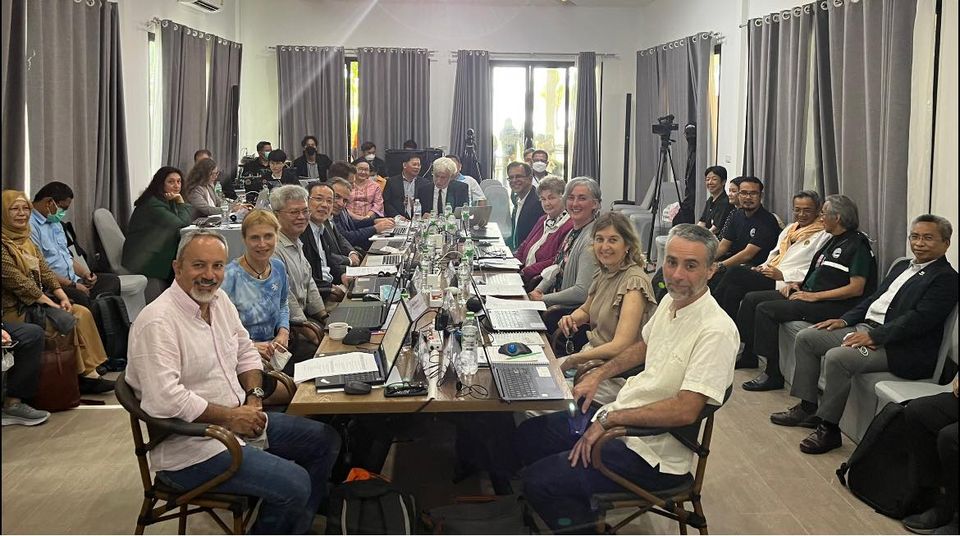
If you mapped out Dr. Martina Pásková’s career, it would read like the script of a blockbuster adventure movie. She has navigated landmine warnings near the Honduran border, lived off the grid for weeks without electricity or a pharmacy, and just evaluated the first-ever Caribbean UNESCO geopark in Cuba.
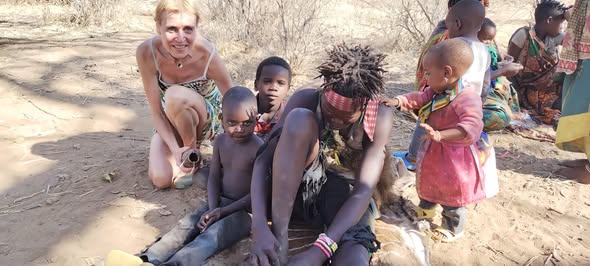
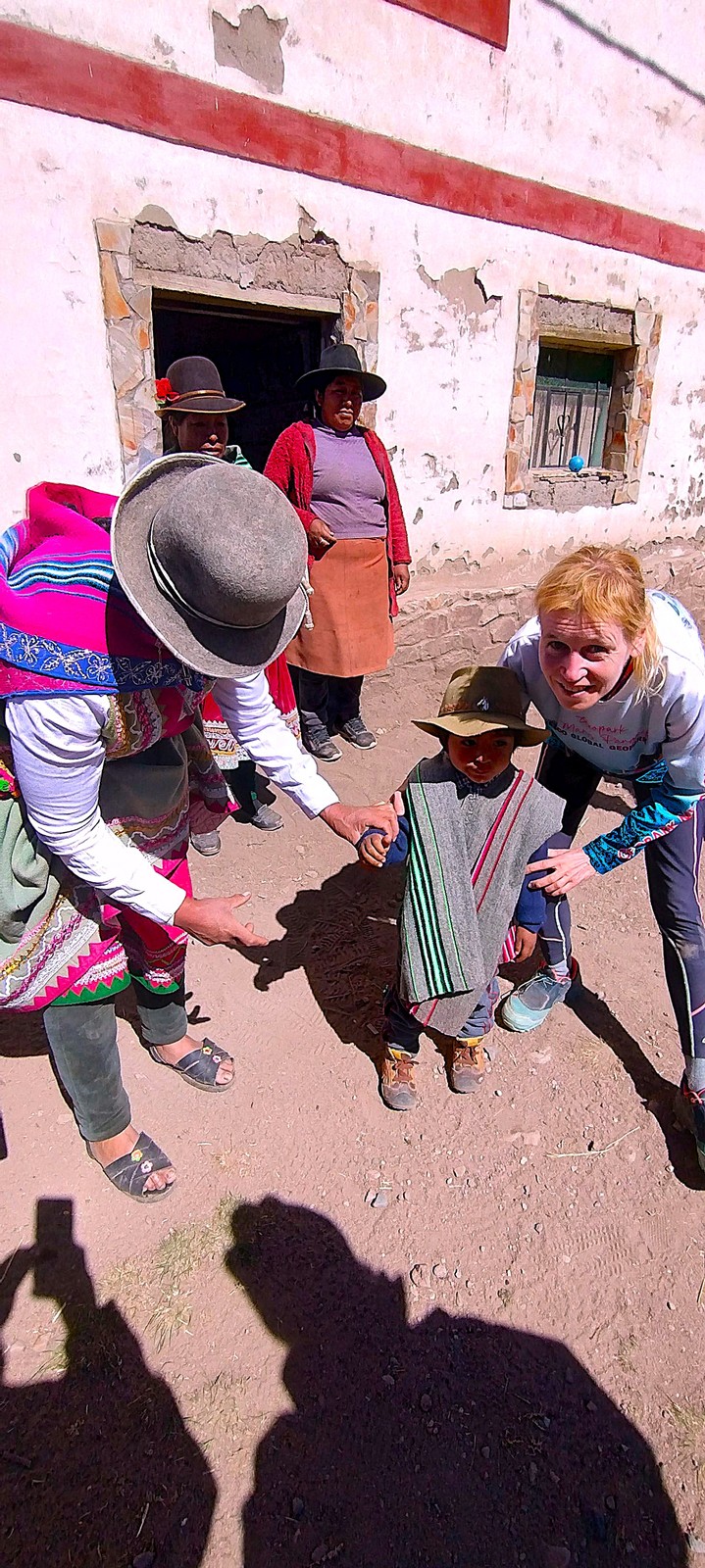
As a geographer, a project leader, and a core member of the Faculty of Informatics and Management (FIM), Dr. Pásková is our very own Indiana Jones. But unlike the famous movie archaeologist who took ancient artifacts for museums, Dr. Pásková does the exact opposite. She works tirelessly alongside Indigenous communities to protect their knowledge and their lands.
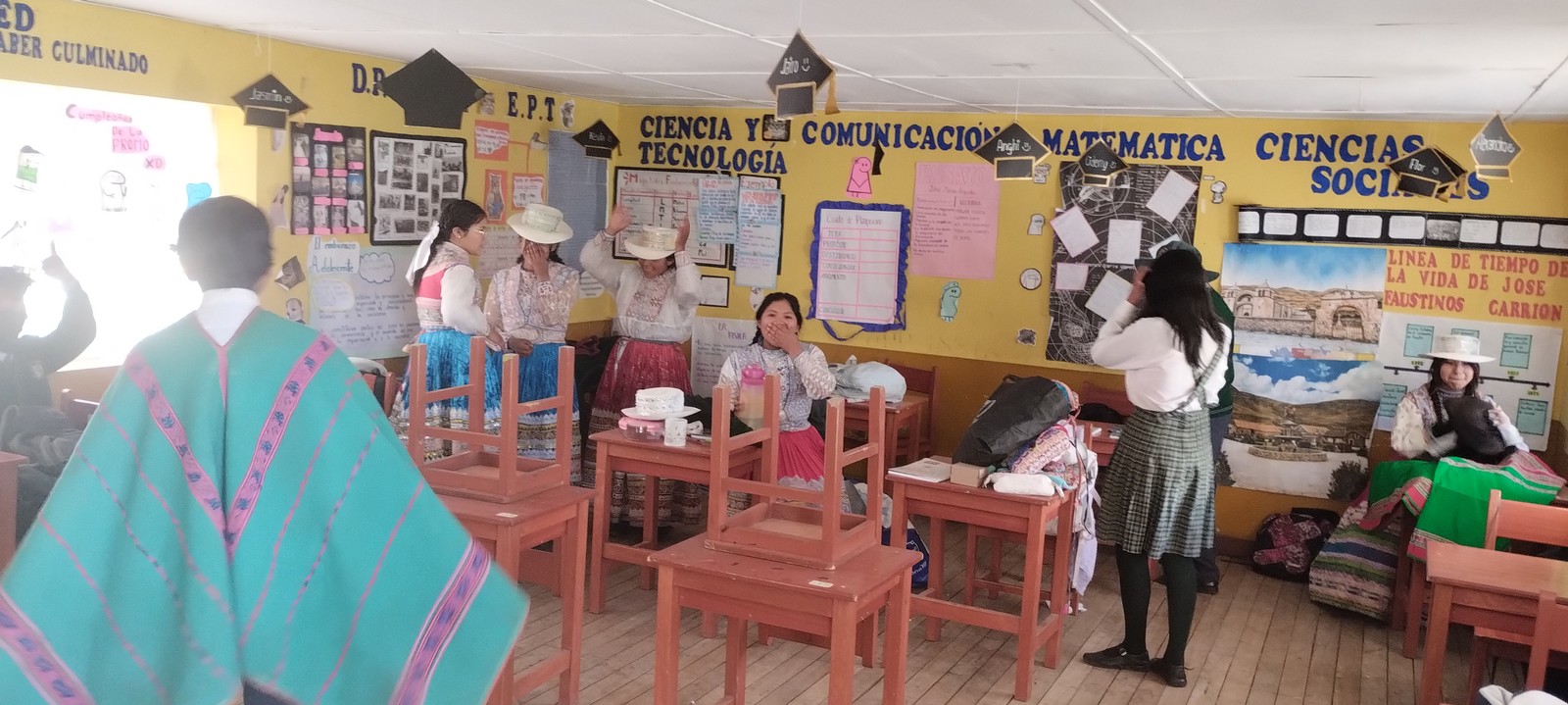
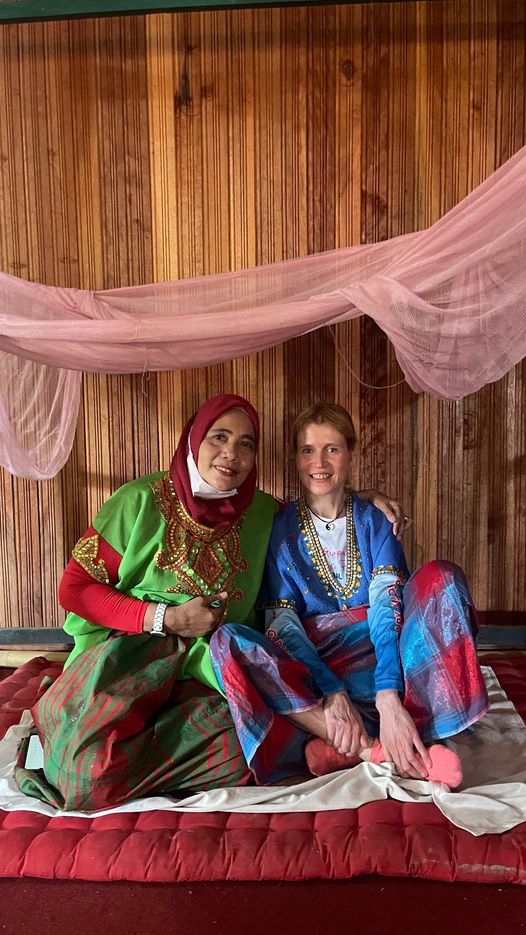
Because her work takes her to places like Peru, the Philippines, and Nicaragua, it is easy to romanticize her day-to-day life.
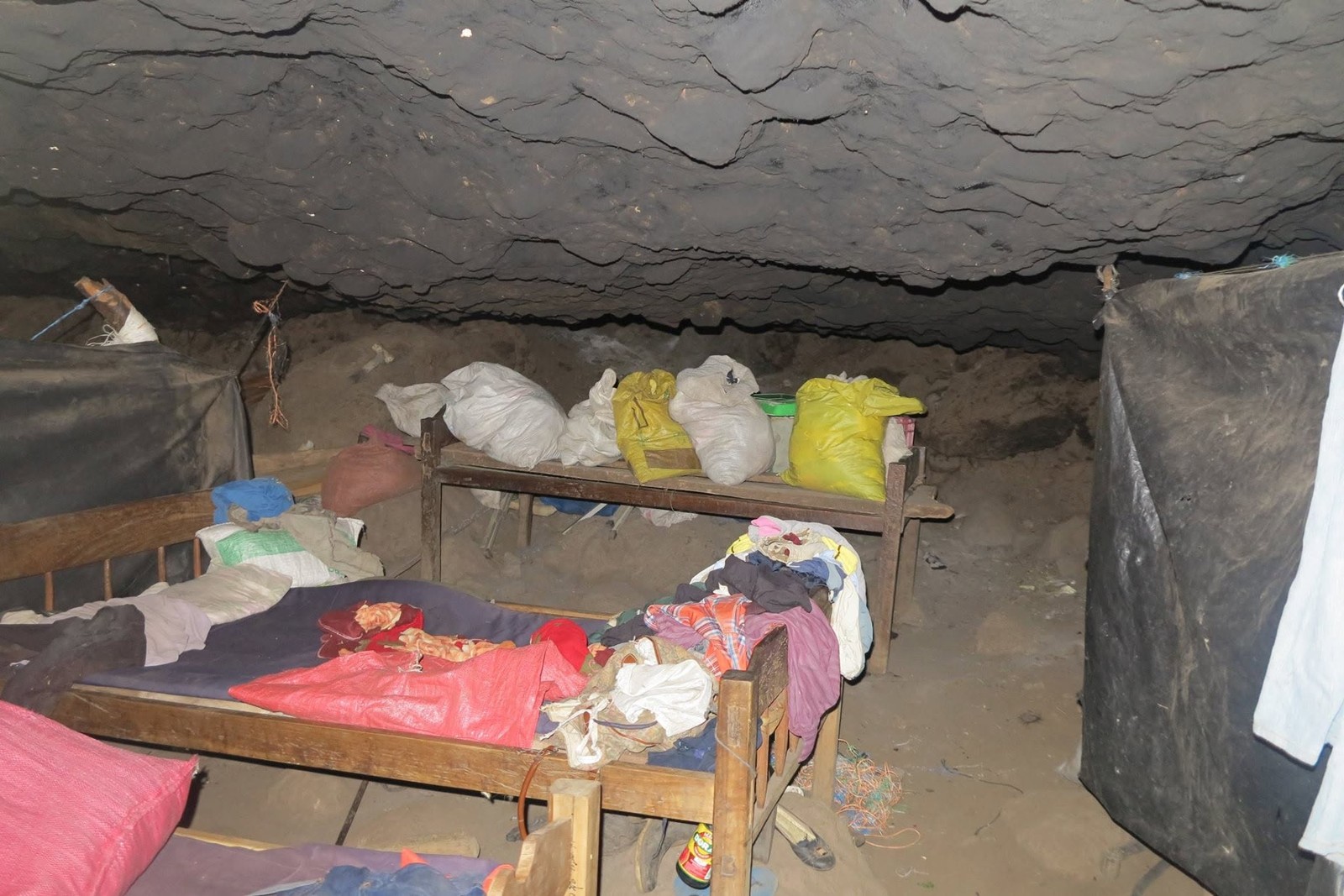
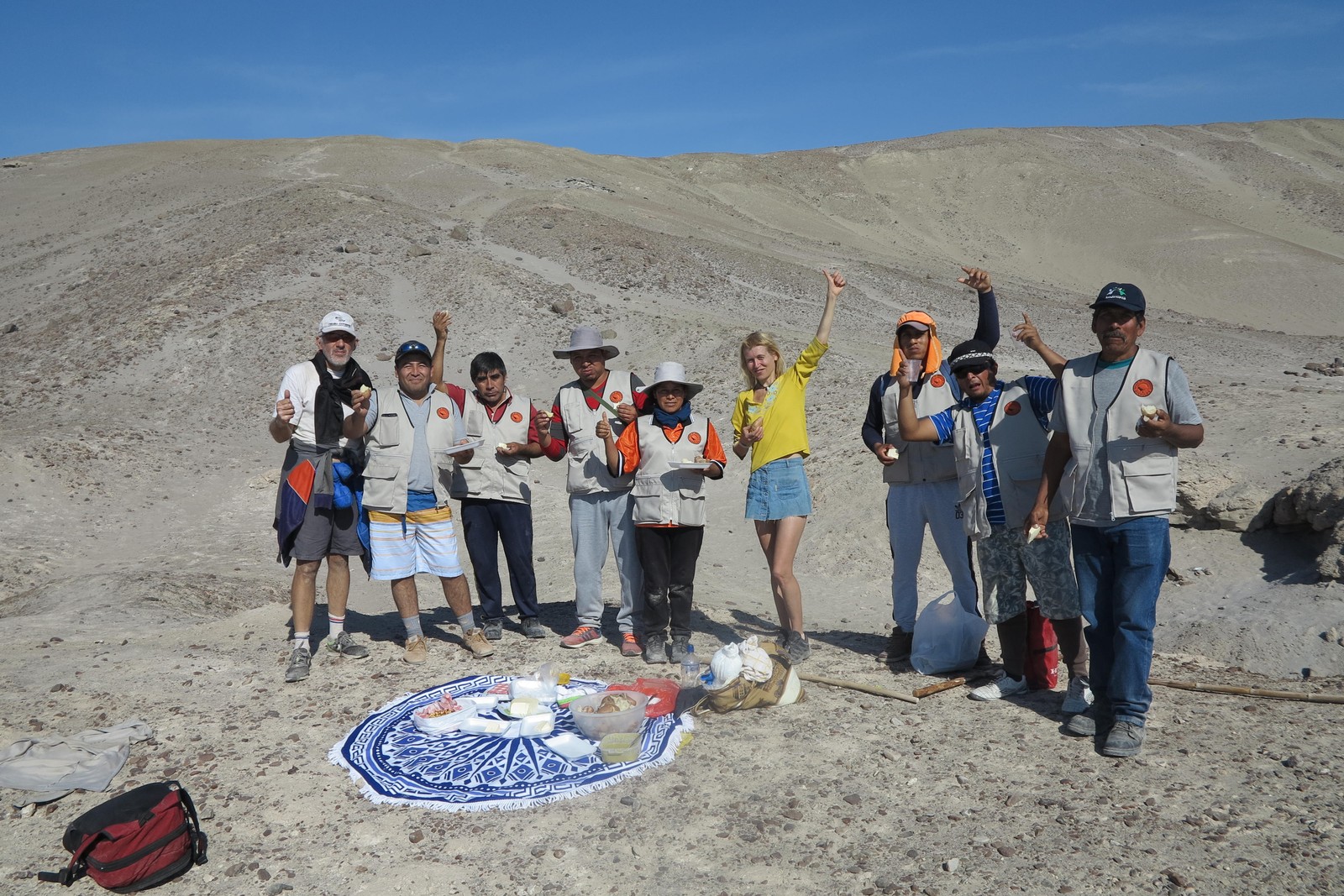
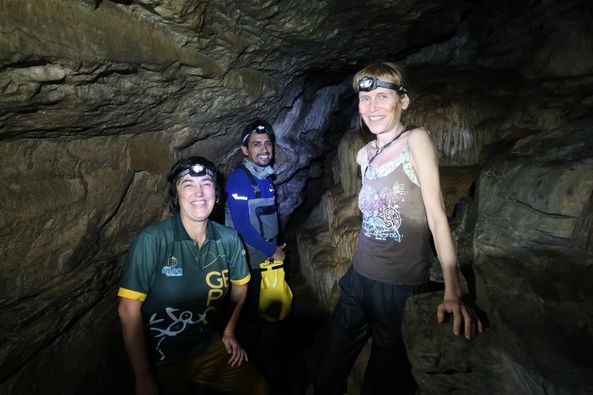
"I am sometimes surprised that people perceive project coordination and the organization of annual meetings and international missions as a kind of permanent vacation," Dr. Pásková admits. "Often, you work in conditions that involve considerable discomfort, limited hygiene and safety standards, and the need to solve unexpected and sometimes highly stressful situations."
The Project of a Lifetime: Rio Coco and the Leadership Test
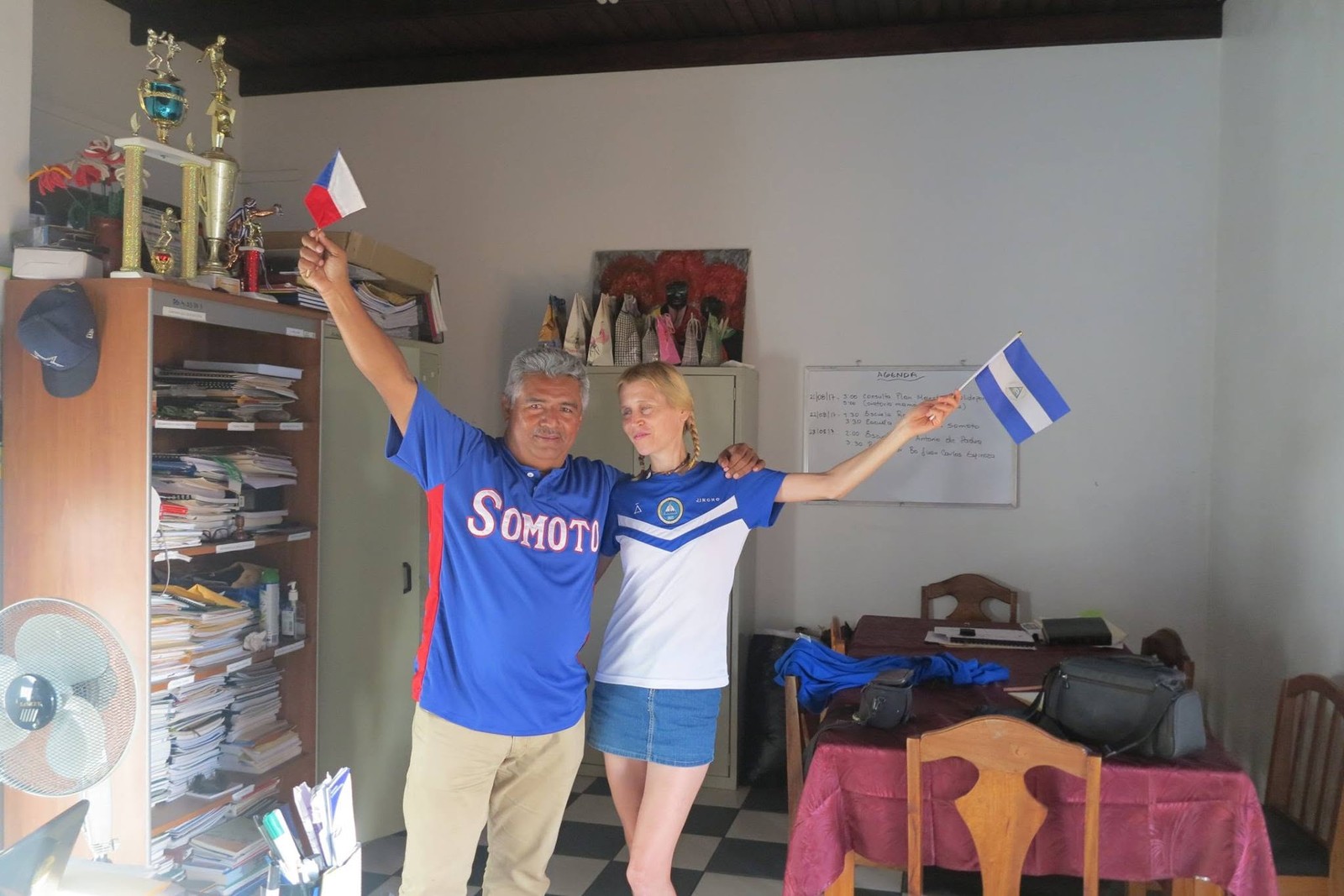
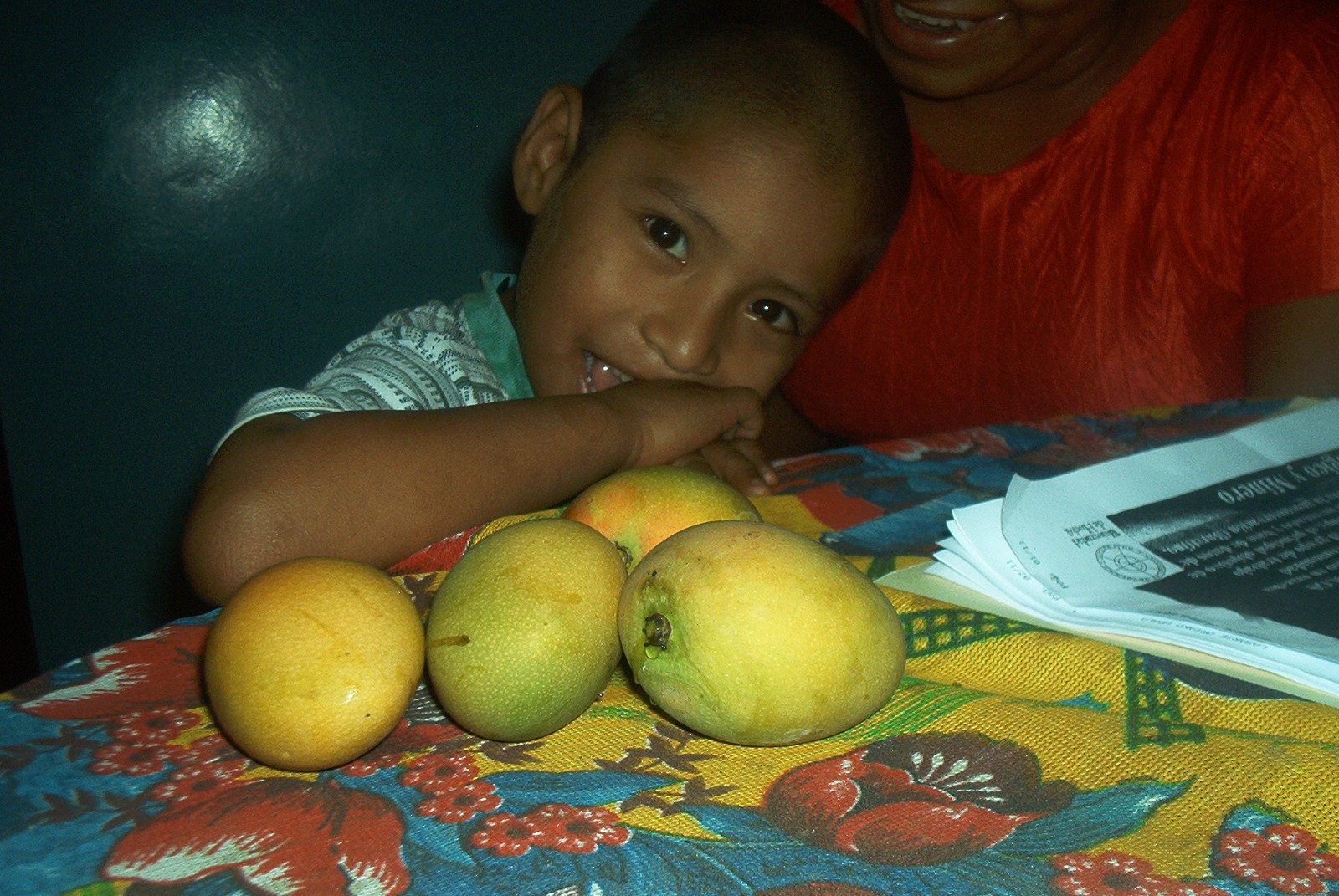
In 2006, Czech geologists discovered a breathtaking canyon formed from volcanic ash near the town of Somoto, Nicaragua. Without formal protection, the incredible site was at immediate risk of being destroyed. Dr. Pásková traveled there alone, heading to the town hall to pitch a radical idea to the mayor: establishing a geopark.
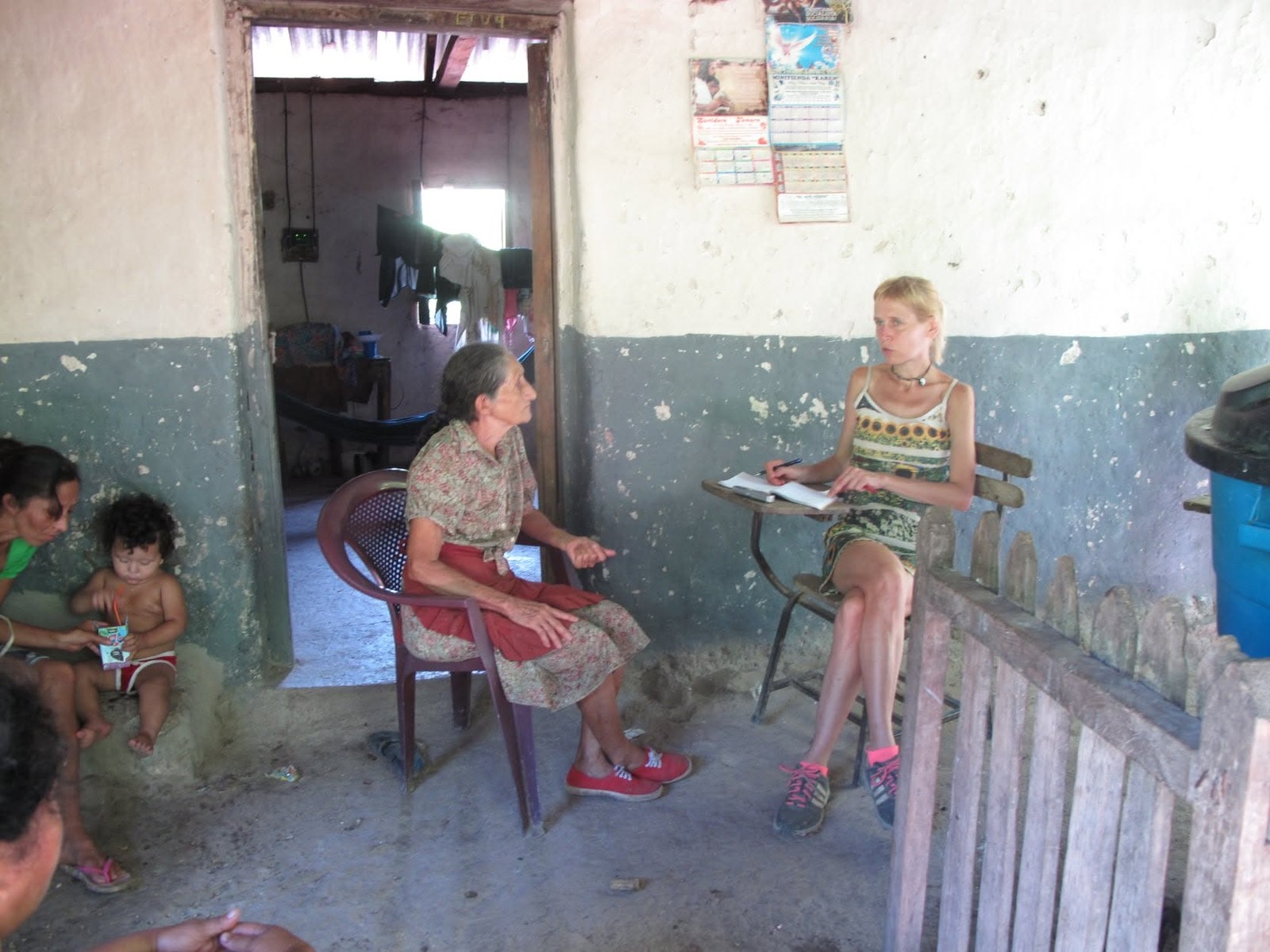
She successfully persuaded the local Indigenous communities, descendants of the Mayan people, to get involved, returning every summer to build the project. However, the journey was far from easy.
"The most difficult period came when the local political leadership changed," she recalls. "For four years, the project faced indifference and a lack of support from the new administration. Much of the momentum that had been built was lost, and after those four years we had to restart many activities almost from scratch."
It was a grueling lesson in how heavily long-term development relies on local leadership, trust, and continuity. Today, calling Nicaragua "the project of my life," she views the Rio Coco Geopark as a testament to that hard-fought resilience.
The FIM Connection: Economics, Oxygen, and the Price of Nature
At first glance, earth heritage might seem disconnected from Informatics and Management. But for Dr. Pásková, the connection is purely economic and managerial.
She explores a critical concept developed by Indian economists: valuing the "24/7 free services" of an ecosystem. Nature works around the clock providing oxygen, filtering water, and sustaining habitats. If a piece of land is lost to an urban area, what is the exact financial cost of losing those free services?
By calculating the monetary price of these ecosystem services, Indigenous people in the US, Canada, and Australia are now using these exact economic models in court to legally defend their lands. It is a perfect synthesis of environmentalism, data, and economic management.
When it comes to preparing students to work in these complex environments, Dr. Pásková has one strict rule.
"Before intervening anywhere, even with the best intentions, it is essential to understand the place as deeply as possible. This means learning not only about its natural environment, but also about its cultural context, local relationships, economic conditions, and community dynamics. Sustainable solutions can only emerge when we genuinely understand the people and places we hope to support."
At FIM, together with her colleague and life partner, Professor Zelenka, they focus primarily on educating tourism management in geoparks and protected areas, with an emphasis on ensuring its long-term sustainability (regenerative tourism).
The Dark Side of Geology: Why Bohemian Paradise Got a "Red Card"
Being a UNESCO Global Geopark is not a lifetime award; sites must be revalidated every four years.
In a surprising twist, the Czech Republic's own Bohemian Paradise (Český ráj) recently received a "red card" warning from UNESCO. The culprit? Rock shops.
Dr. Pásková notes a challenging ethical hurdle within the Czech geological community: a culture of collecting and selling minerals. While mining in the EU is ethical and regulated, buying and selling rocks sourced from other parts of the world often isn't. When these minerals are sold locally, it creates ethical hurdles for global geopark recognition.
Living Laboratories
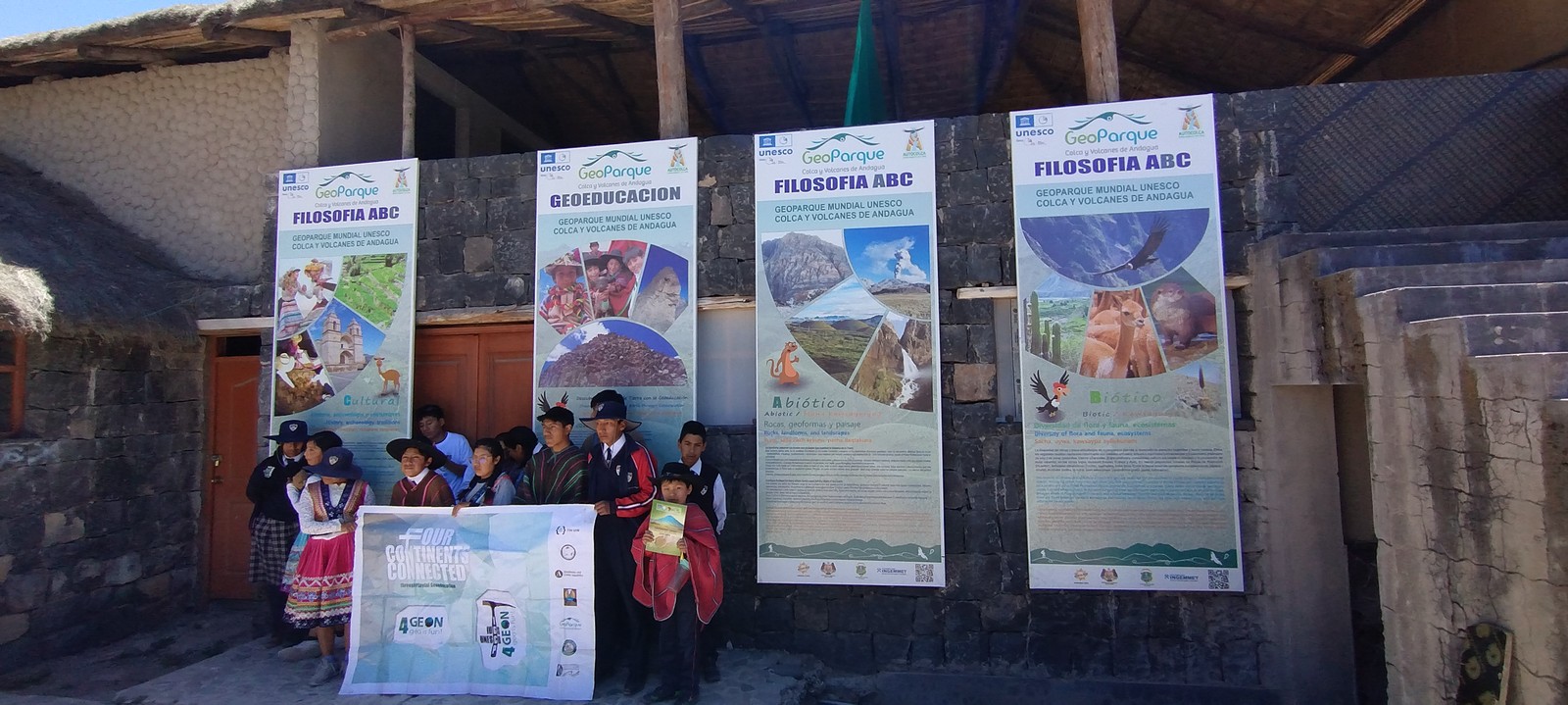
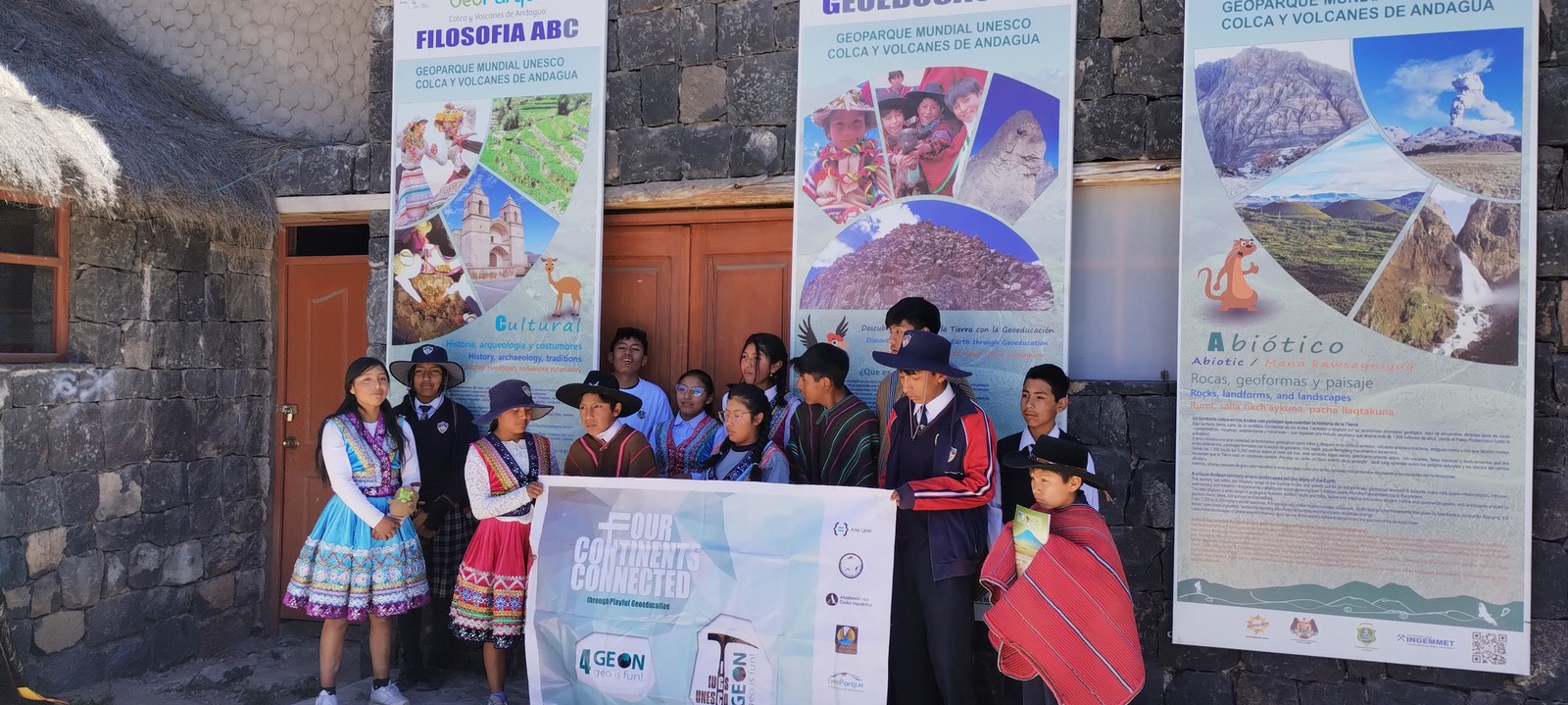
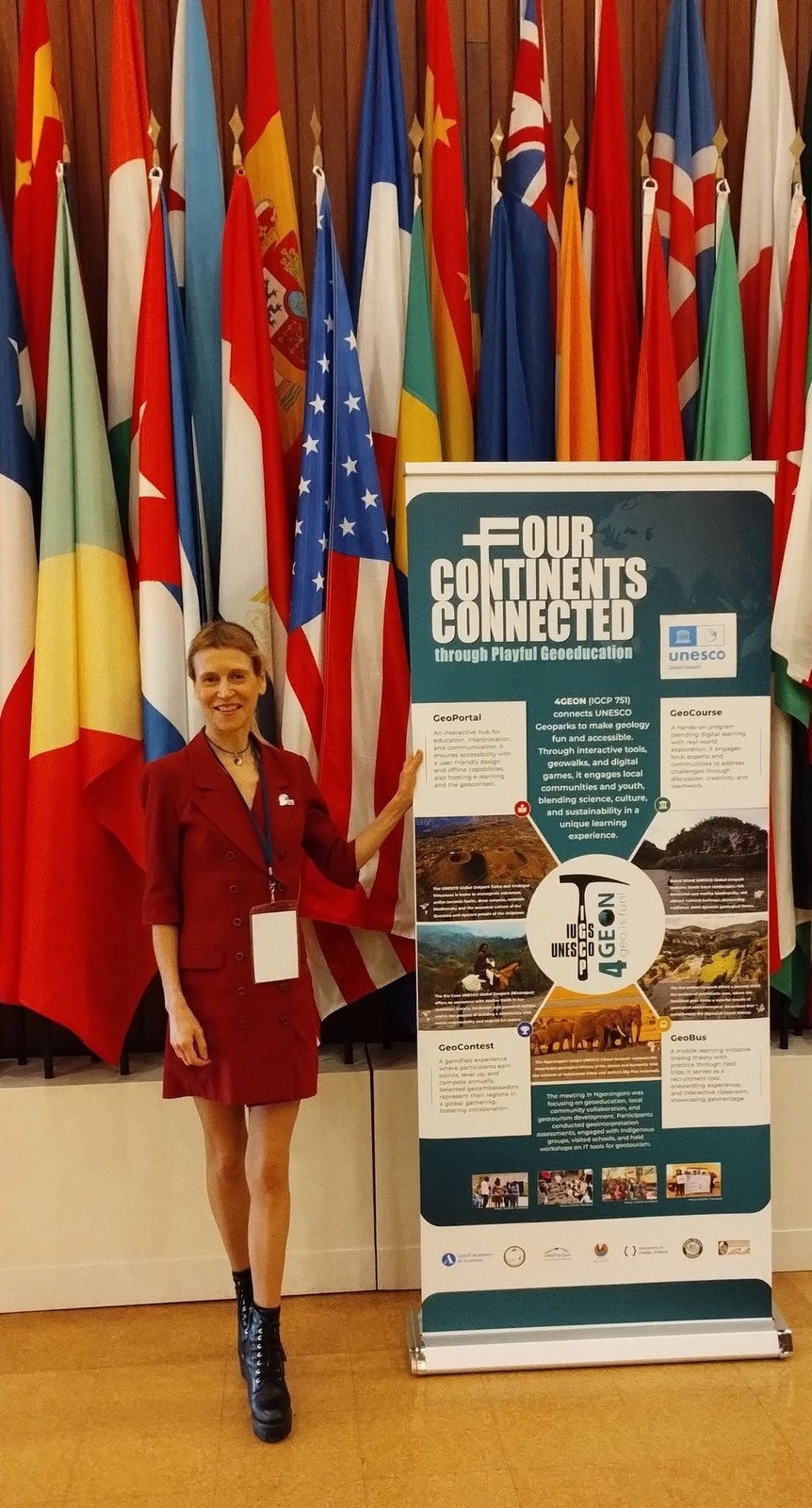
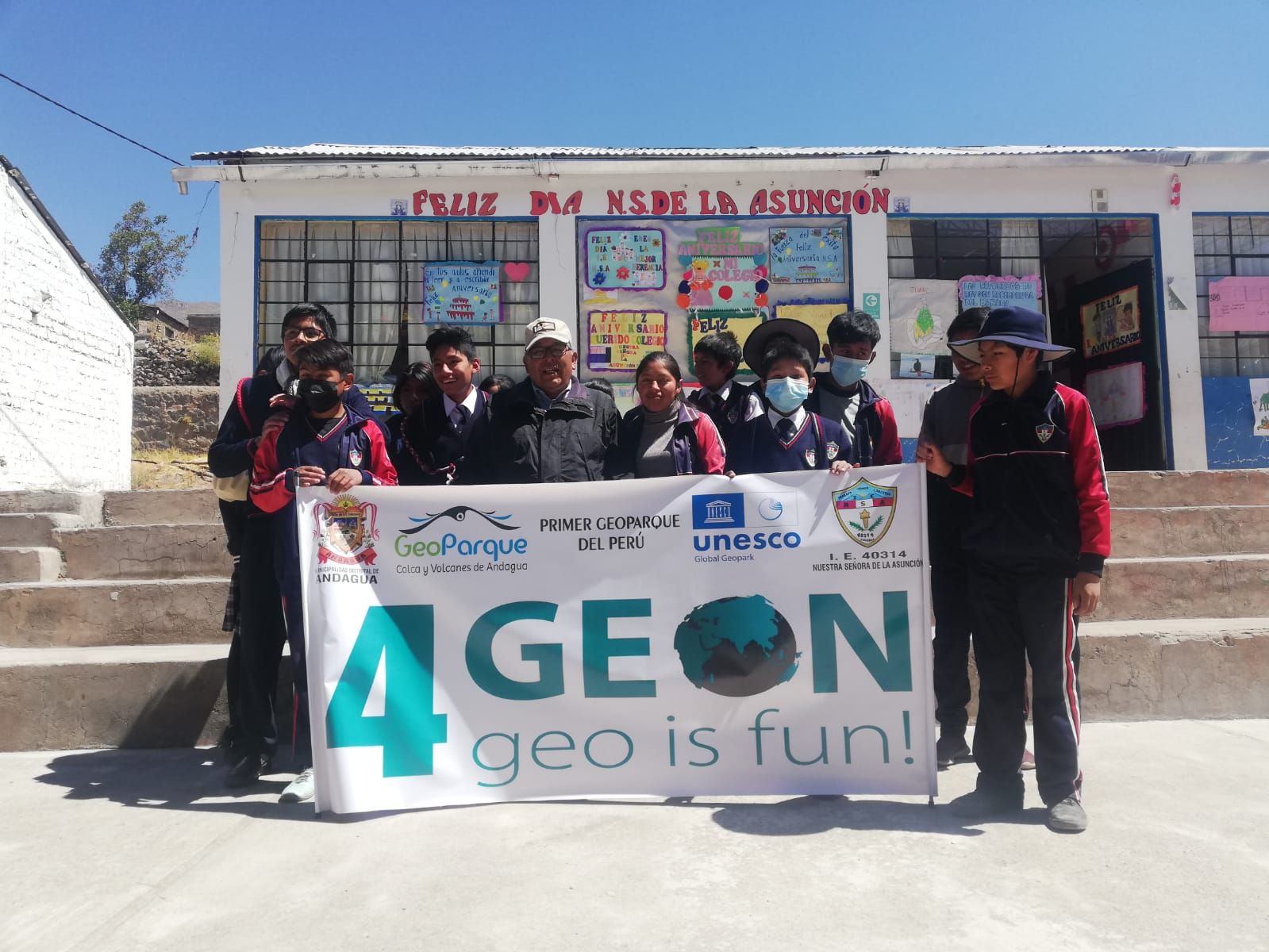
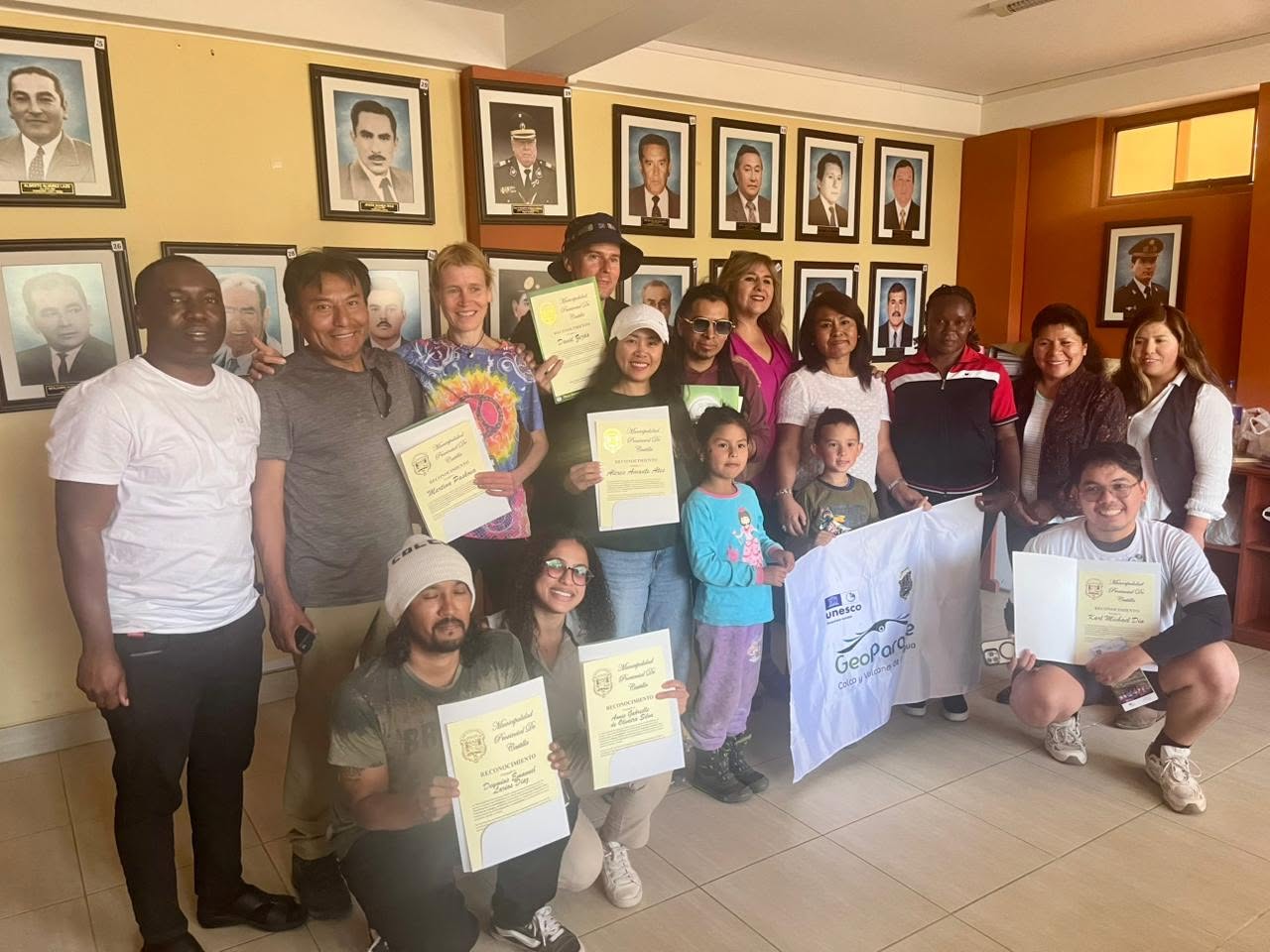
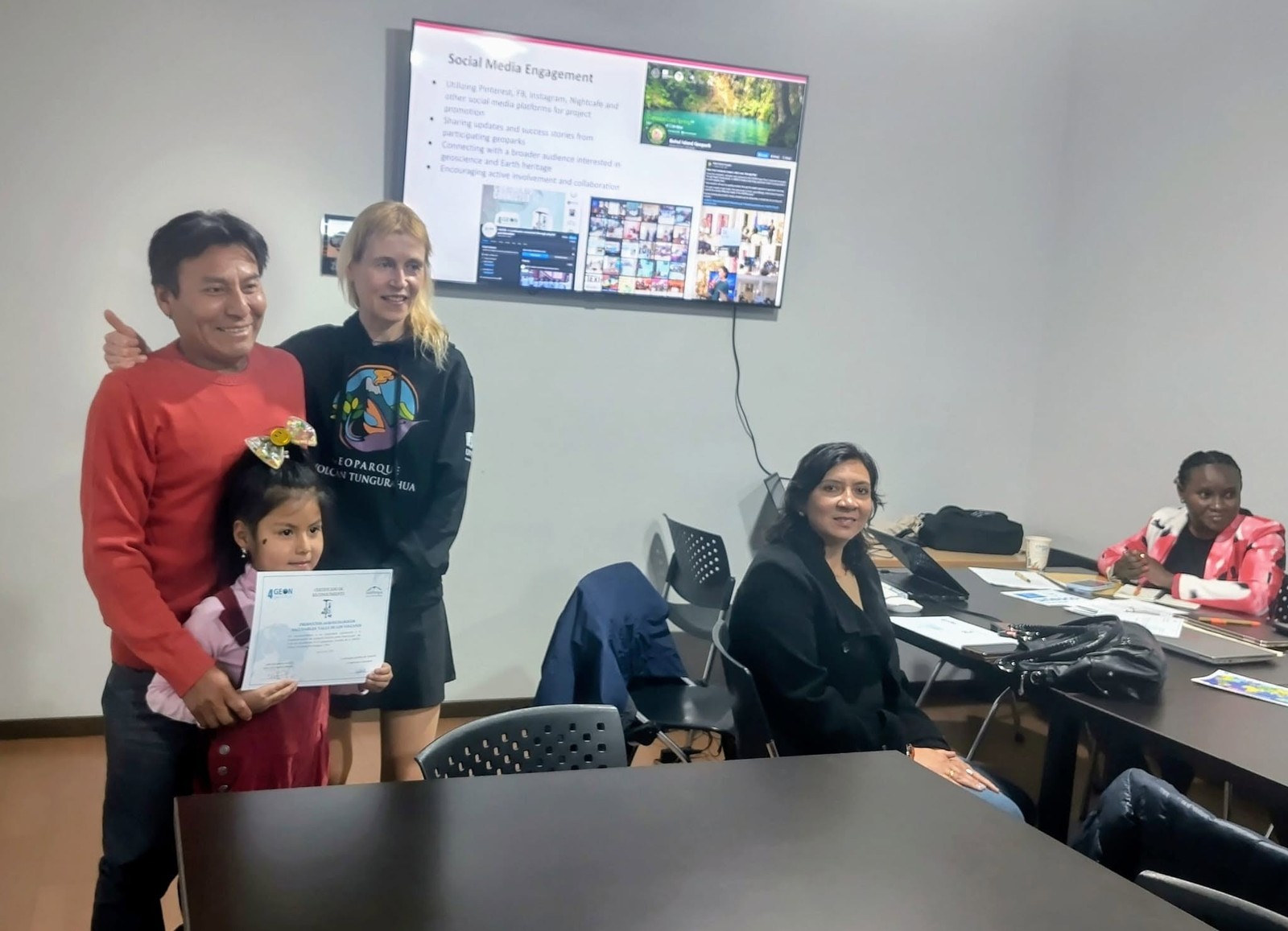
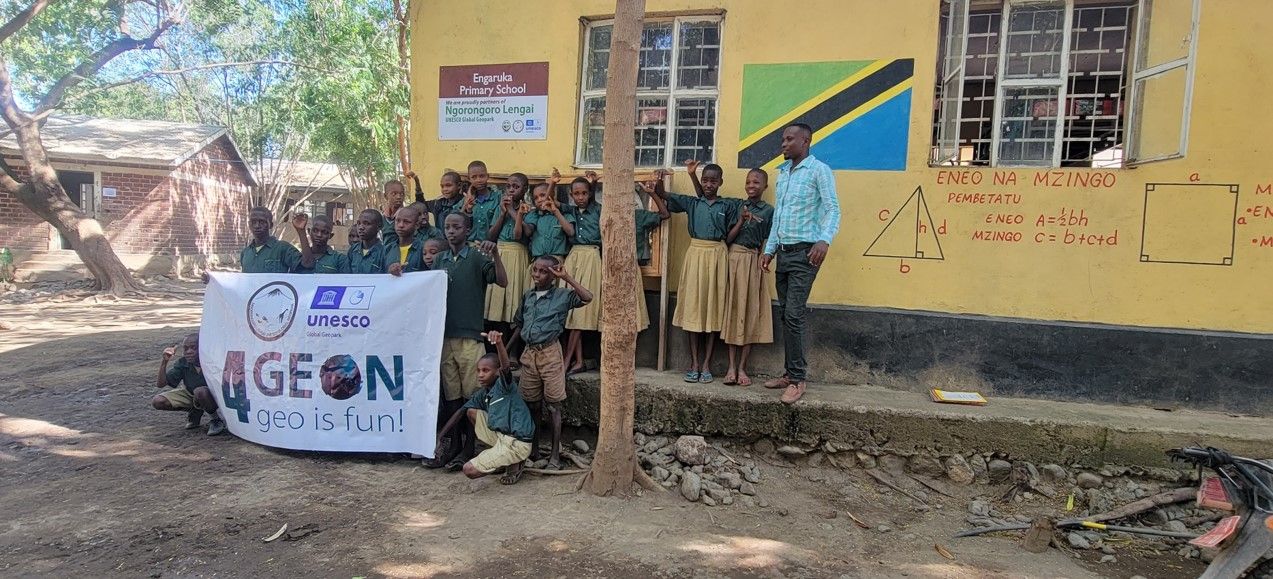
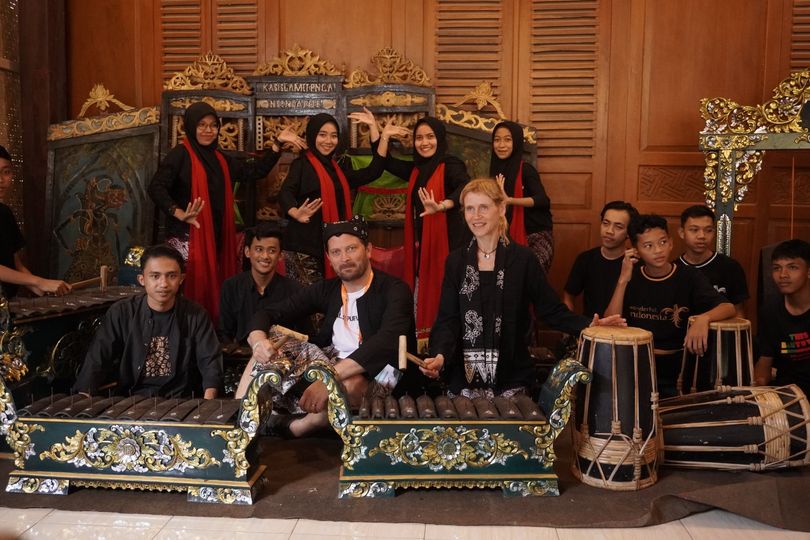
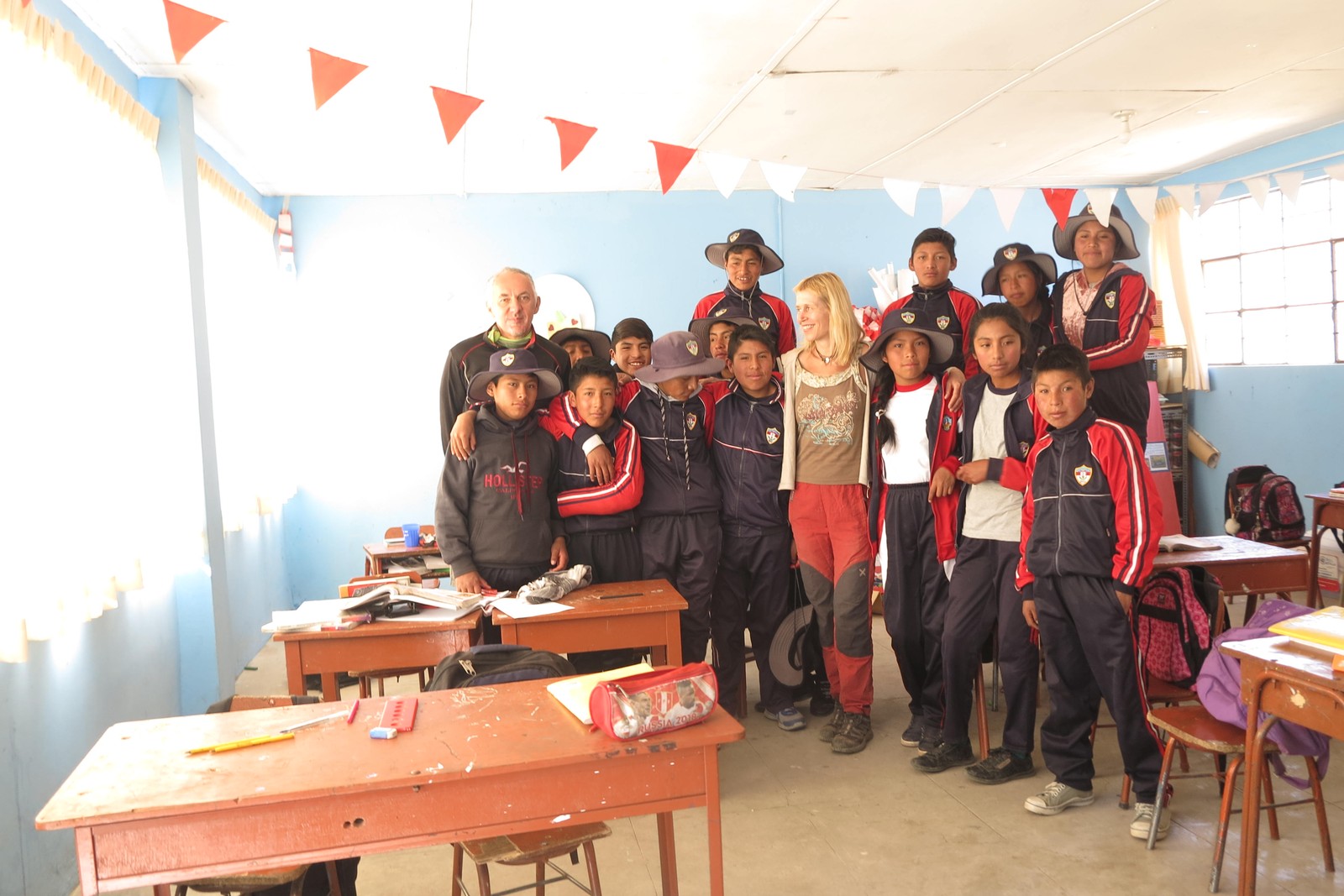
As the leader of the UNESCO's 4GEON project, Dr. Pásková oversees geopark development across four continents, boosting geo-education, fostering scientific learning and a deeper appreciation of natural heritage, and helping local students build a stronger sense of identity and commitment to their local area.
For Dr. Pásková, the mission is clear, and reality is not divided: everything is integrated.
"For me, geoparks are living laboratories of the relationship between humanity and the Earth," she says. "They also show that Indigenous and traditional knowledge are not relics of the past, but valuable guides for addressing some of today's most pressing environmental and societal challenges."
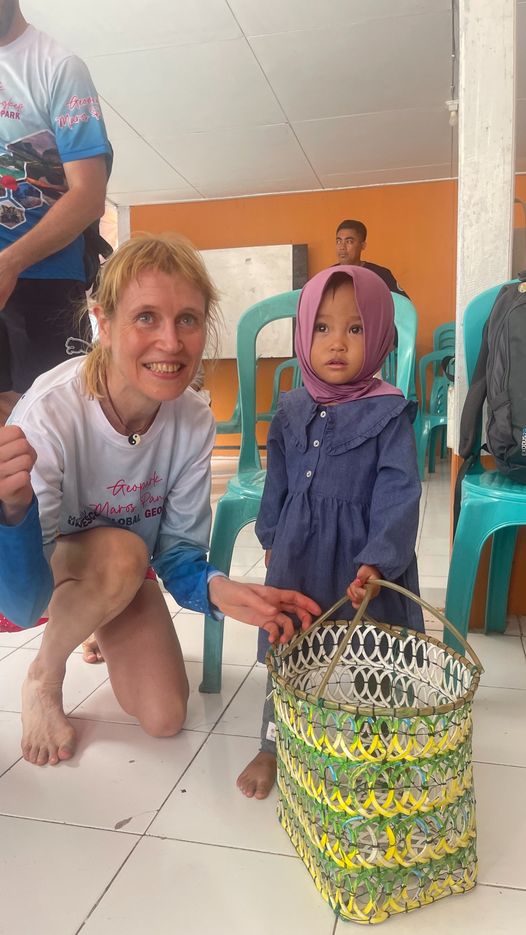
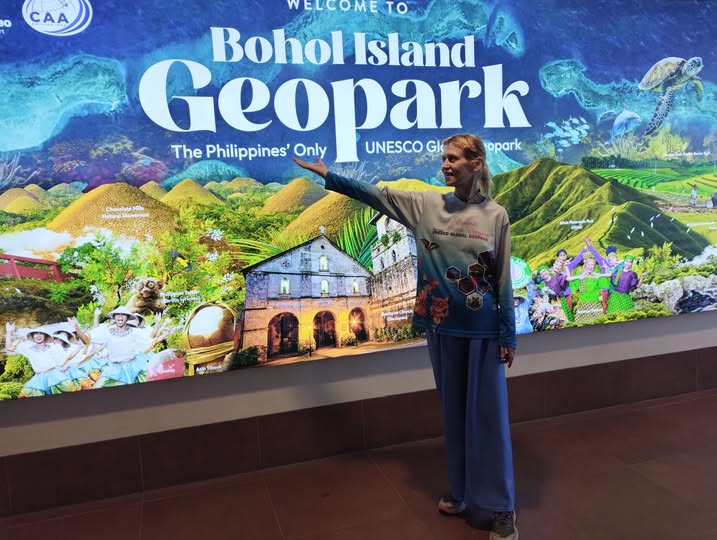
Ultimately, Dr. Pásková’s work proves that modern management goes far beyond corporate boardrooms and spreadsheets. Whether she is advising a rural mayor in Nicaragua, empowering island communities in the Philippines, or standing in front of a FIM lecture hall in Hradec Králové, her message remains the same: the Earth has a story to tell, and it is our responsibility to manage it well. She might not wear a fedora or carry a whip, but in the fight to balance human progress with the protection of our natural heritage, FIM’s Indiana Jones is exactly the kind of hero the modern world needs.
Read more about Martina's Projects here:
https://www.unesco.org/en/iggp/igcp-projects/751
https://www.episodes.org/journal/view.html?doi=10.18814/epiiugs/2024/024014
Photo gallery